Tulsa launches development‑process overhaul; Housing Acceleration Team says Hilltop permits issued in 30 days
Loading...
Summary
City staff described a package of process improvements — preapproved plans, Housing Forward data sharing, a Housing Acceleration Team and a community‑builder pilot concierge — aimed at speeding housing development and reducing last‑minute permitting surprises.
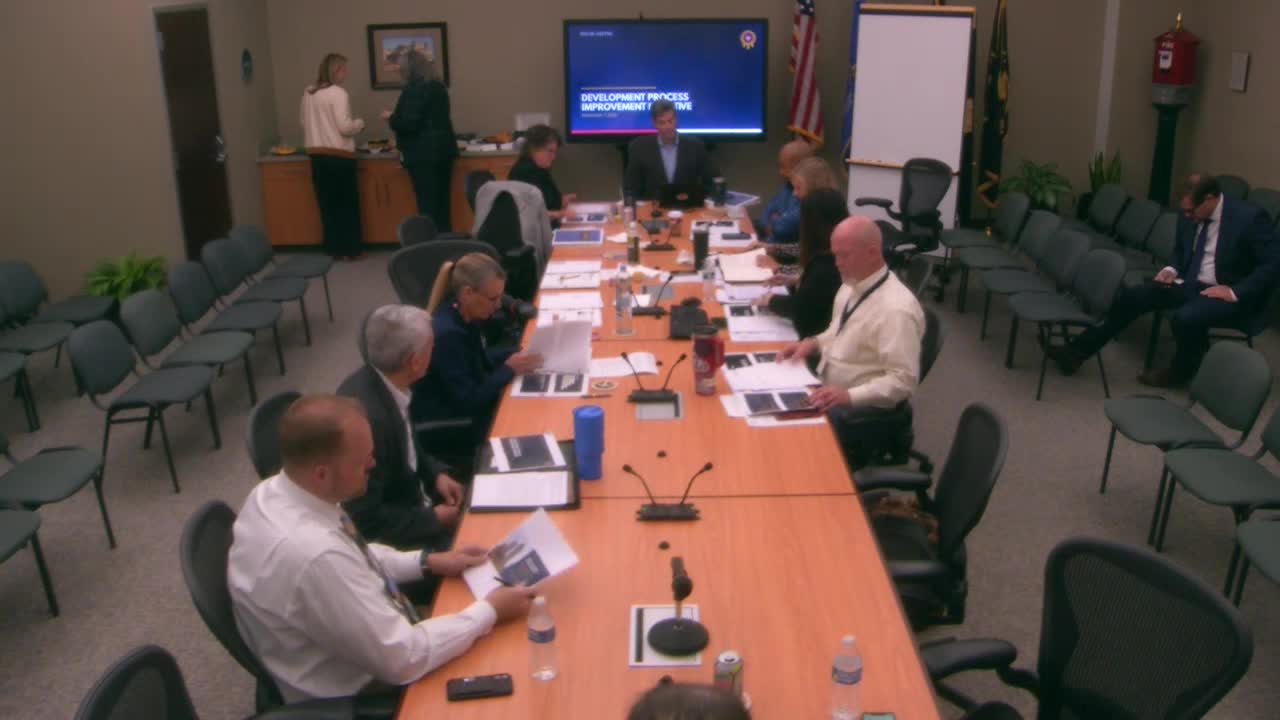
City staff and councilors described a multi‑part effort to improve the development permitting process and speed housing delivery across Tulsa.
Officials said the city is piloting a preapproved plans catalog and has a data‑sharing agreement with Housing Forward to analyze permitting and development workflows. The Housing Acceleration Team — an interdepartmental group that meets frequently to troubleshoot specific large projects — used an intensive, daily meeting structure to support the Tulsa Housing Authority’s Hilltop project. Staff said building permits for the Hilltop project were issued in a 30‑day window during the pilot and that the team captured lessons learned for other projects.
The city also reinstated a fast‑track permits process for certain interior residential remodels that can be issued the same day, and staff described a community‑builder pilot that offers a single‑point “concierge” (a city staff contact) for small developers with multiple lots to speed communication and resolution of code and permit issues. The pilot was recently launched and staff said they would provide the council updates on pilot outcomes in the coming months.
Multiple developers and stakeholders had participated in July listening sessions; common themes included inconsistent expectations across reviewers, uncertainty on when sidewalks/driveways are required, and the effect of state adoption processes (Oklahoma Uniform Building Code Commission) on local requirements. Staff said they are pursuing multiple follow‑up steps including clearer upfront communications to applicants (a checklist of required permits and expected timelines), an improved predevelopment meeting note process (staffed notes with standardized content) and outreach to OUBCC technical committees to pursue thresholds tailored to Tulsa’s housing needs.
Councilors asked staff to study impact‑fee options, and staff acknowledged that impact fees have been implemented in some other Oklahoma cities (Oklahoma City was cited) and that there are trade‑offs between adding development costs and using fees to fund infrastructure. Staff said they would provide a quarterly progress report to the developers and stakeholders who contributed input to the initiative and return with policy options for council consideration.