Get Full Government Meeting Transcripts, Videos, & Alerts Forever!
Get email alerts on the Education Literacy topic
No spam. Unsubscribe anytime.
Mill Creek unveils "Literacy League" for middle schools; teachers ask board for seed funding
Summary
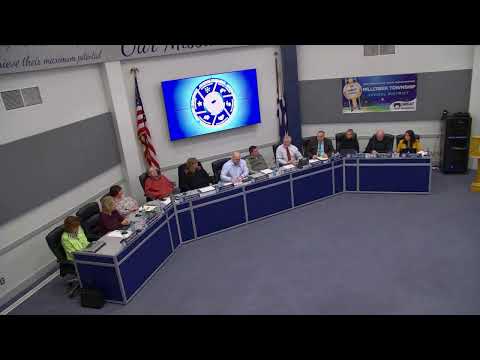
Three Mill Creek middle‑school teachers introduced the district’s new "Literacy League" at the Oct. 27 school board meeting, describing a flexible reading program intended to replace the Accelerated Reader platform and expand participation across reading levels.
Three Mill Creek middle‑school teachers introduced the district’s new "Literacy League" at the Oct. 27 school board meeting, describing a flexible reading program intended to replace the Accelerated Reader platform and expand participation across reading levels.
"Literacy League is Mill Creek's new and improved middle school reading program," said one presenter, adding that the program is designed "to support and motivate readers of all levels and interests." The presentation was made at the Mill Creek Education Center and livestreamed for the public.
The teachers said the program asks students to read regularly, then demonstrate comprehension to earn a Literacy League ticket. Students place tickets in a library box; each quarter the district will award prizes to the top three readers and select five additional winners by random drawing, the presenters said. To keep the field competitive and broaden access, students who place in a top‑three bracket one quarter are moved into a different bracket the following quarter so newer readers have an opportunity to be recognized.
Presenters emphasized program flexibility. Instead of a single, automated quiz platform, teachers can accept a range of comprehension demonstrations—one‑on‑one conversations, projects, presentations (including 3‑D projects and websites), and teacher‑led book reviews used in morning announcements. The program also supports alternative assessment methods and targets students who struggled with AR’s question formats, including multilingual learners and some students with individualized education programs.
Teachers said the program integrates classroom activities with library refreshes run by students, a teacher‑authored "book buzz" segment read on Friday announcements, and technology including an AI chatbot that can guide a student through character, setting and plot discussion and provide a transcript to teachers.
Funding and logistics were a focus of the presentation. The presenters said the district had previously paid for Accelerated Reader, which they estimated at about $6,000 a year, and asked whether the board or district could provide seed funds while the program seeks PTA support, local vendor donations and fundraising events (the presenters cited prior partnerships with Buffalo Wild Wings, Barnes & Noble and Warner Books). One presenter said Warner Books had donated gift cards and offered to host a literacy‑night fundraiser.
Board members asked about ebook access and shared resources. Presenters said sixth grade already uses Epic as an online library and noted students can borrow ebooks via local public library services such as Libby with appropriate permissions. Presenters also said students may bring district‑approved e‑readers with prior permission from building administration.
The teachers closed the presentation by quoting Dr. Seuss: "The more you read, the more you'll know. The more you learn, the more places you'll go." They asked the board to consider limited financial support and to encourage parent and community donations to expand the program.
Clarifying details recorded at the meeting: presenters estimated the district’s prior AR expense at about $6,000 annually; the district will award quarterly top‑3 prizes plus five random drawings; and proposed fundraising partners included Barnes & Noble and Warner Books. The presenters asked for possible district or board seed funding to scale the program beyond pilot schools.
Board response: members praised the program’s flexibility for struggling and multilingual readers and confirmed staff will follow up on fundraising and possible district support.