Perkiomen Valley issues first look at 2026–27 revenues amid state budget impasse
Loading...
Summary
The district presented a preliminary revenue outlook for 2026–27 and warned that the ongoing state budget impasse complicates subsidy estimates. Administration outlined local revenue drivers and said a preliminary budget would be required by February if the board does not adopt an Act 1 index resolution in January.
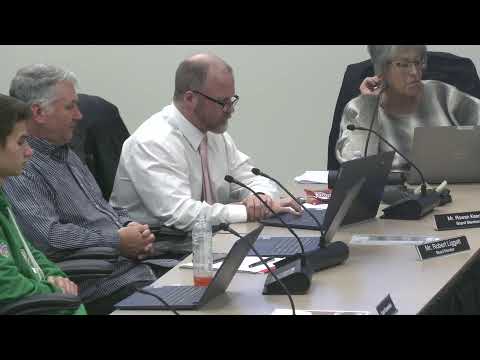
Perkiomen Valley’s business office presented a first‑look revenue estimate for fiscal year 2026–27 at the Nov. 3 meeting and warned that a still‑unresolved state budget complicates state subsidy forecasts.
The business administrator showed a preliminary revenue figure of approximately $136 million and explained major revenue streams: local property tax collections (primary), real‑estate transfer taxes, investment interest and state/federal subsidies. He said the district currently assumes a modest assessment growth rate (0.5 percent) but noted assessment appeals and recent property changes can affect that projection. The presentation also highlighted past reliance on alternative revenues and grants and noted county reassessment and common‑level ratio calculations can materially affect local allocations.
Administration described three administrative paths as the district enters budget season: adopt an Act 1 index resolution (the board must do so by January to reserve the right to levy up to the index without a preliminary budget), pursue allowable exceptions (special‑education or PSERS-related costs) or prepare a preliminary budget for public inspection by Feb. 9 if the board opts not to adopt the Act 1 resolution. Board members and staff discussed timing and trade‑offs; some members urged delay to see whether the state passes a budget before the board locks itself to a particular tax path.
The business office also noted potential one‑time sources: roughly $932,000 in bond proceeds that are currently withheld pending an arbitrage compliance review; if the arbitrage analysis is favorable the board could reassign those proceeds to the capital plan or return them to unassigned fund balance. Administration said it will present a targeted list of projects that could be funded from those balances and will continue to pursue grants and the state’s capital‑reimbursement programs.
Board members asked administration to model scenarios (including a March/April risk window if the state still lacks a budget) and to produce a draft expenditure picture in December so the board can evaluate the projected shortfall and options before adopting a tax‑setting resolution in January.