Advocates urge early, sustained funding and local partnerships to reach hard‑to‑count communities for 2030 Census
Loading...
Summary
Nonprofit leaders, immigrant‑serving groups and municipal officials told the Senate Committee on the Census on Oct. 31 that Massachusetts must begin year‑round outreach, dedicate multi‑year funding, and make grants available earlier than in 2020 to avoid repeating undercounts in gateway cities and immigrant communities.
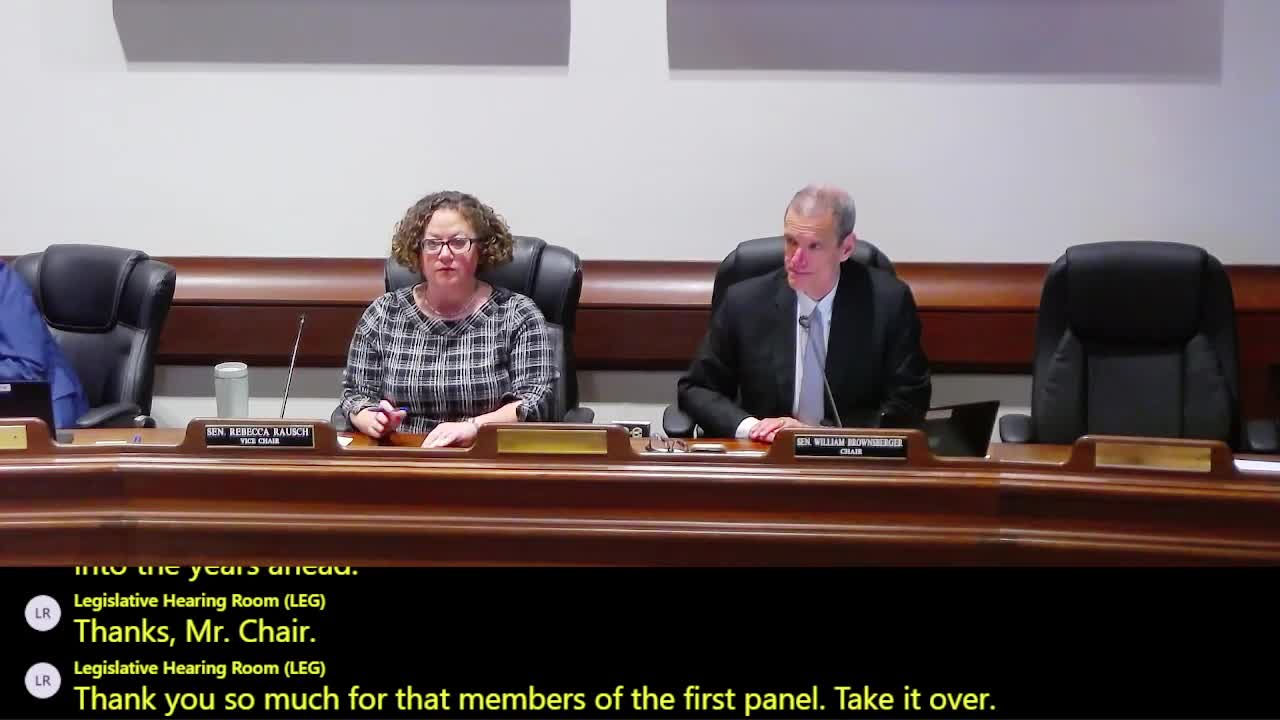
Grassroots and municipal leaders told a Senate hearing Oct. 31 that the state must begin sustained outreach and grantmaking now to avoid a repeat of the 2020 census undercounts.
"Nonprofit grassroots organizations are trusted messengers," said Shanique Rodriguez, executive director of the Massachusetts Voter Table, who described the organizations’ ability to reach hard‑to‑count residents and to deliver culturally appropriate, language‑specific assistance. Rodriguez and other witnesses said late‑arriving funds and a compressed timeline in 2020 limited their ability to hire paid canvassers, conduct door‑to‑door follow‑up and scale outreach across gateway cities.
Why it matters: Census results determine federal funding, state and local planning and political representation for a decade. Witnesses repeatedly said the state’s 2020 allocation — and the timing of distribution — constrained community groups’ capacity to get people counted, particularly in cities with large immigrant, low‑income and limited‑English populations.
What witnesses said: Cheryl Clyburn Crawford, executive director of MassVote, urged coordinated messaging and leadership from state officials, saying, "Our immigrant neighbors must know that ICE cannot access, census data." Vatsidi Sivan Tsai of MIRA described the statewide coordination structure used in 2020 and recommended earlier, monthly convenings and sustained support for existing coalitions. Beth Wong, who directed Mass Counts before 2023, highlighted the role of the Census Equity Fund and flexible philanthropic grants that were able to move money quickly to places most at risk.
Funding and timing: Witness testimony and committee discussion referenced several budget figures from 2020: the legislature allocated about $2.9 million to the Secretary of the Commonwealth’s office and private philanthropic grants through the Census Equity Fund distributed roughly $1.5 million. Several witnesses suggested a significantly larger multi‑year state commitment for 2030; participants used illustrative ranges that reached into the single‑digit millions per year or a $8–15 million total figure for state support as a planning example.
Local delivery: Municipal officials said a centralized Commonwealth hub of translated materials, trainings and technical assistance would let cities and towns tailor outreach without reinventing collateral. Jill Harvey of the Massachusetts Municipal Association described how smaller towns with limited staff will need targeted help to build effective local complete count committees.
What’s next: Witnesses urged immediate steps: begin message testing and translation work now, create multi‑year grant streams for community groups, and use trusted local messengers and ethnic media to counter disinformation.
Source material: Witness testimony from the Senate hearing on Oct. 31, 2025, including Shanique Rodriguez (Massachusetts Voter Table), Cheryl Clyburn Crawford (MassVote), Vatsidi Sivan Tsai (MIRA), Beth Wong (former Mass Voter Table) and municipal representatives.