Bill to expand local-option meals, lodging and vehicle excise taxes advances in Revenue Committee hearing
Loading...
Summary
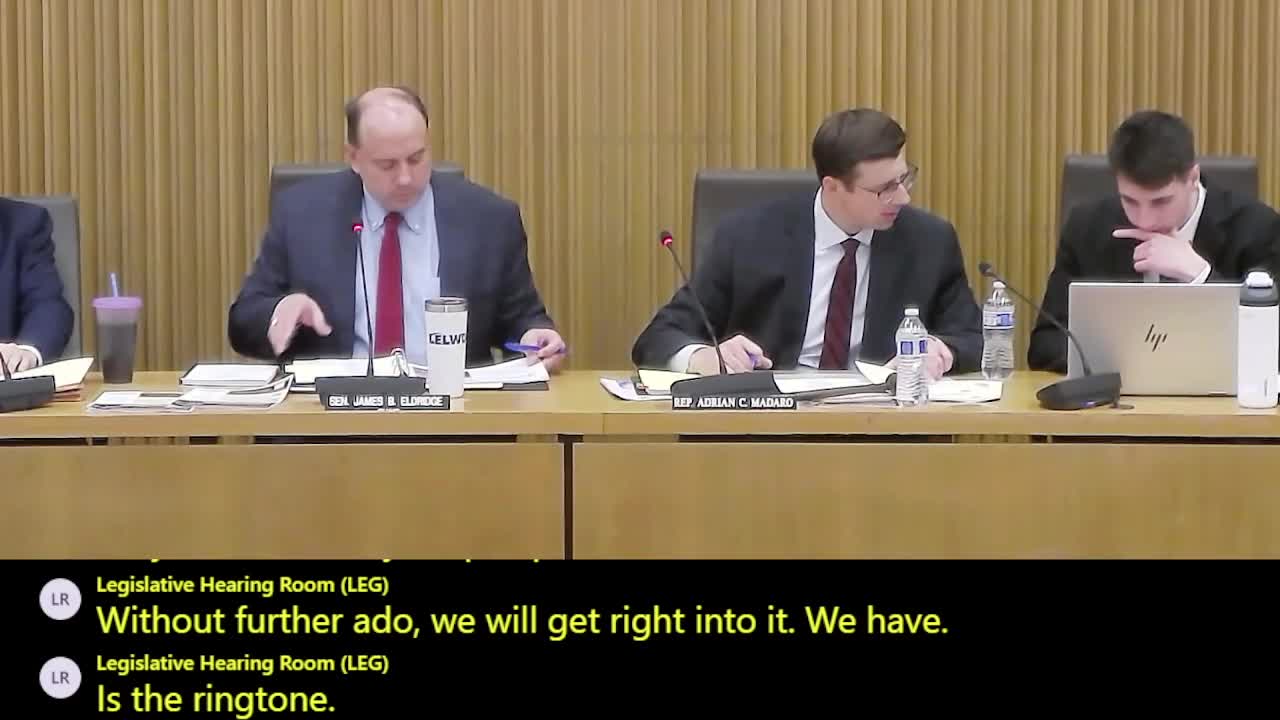
Secretary Gurkowitz testified to the Joint Committee on Revenue in support of the Municipal Empowerment Act, H.56, saying the measure was “a result of listening to our partners at the municipal level” and proposing local-option revenue options and administrative changes to help cities and towns manage budget pressures.
Secretary Gurkowitz testified to the Joint Committee on Revenue in support of the Municipal Empowerment Act, H.56, saying the measure was “a result of listening to our partners at the municipal level” and proposing local-option revenue options and administrative changes to help cities and towns manage budget pressures.
The measure would (1) raise the local lodging tax ceiling from 6% to 7%, (2) raise the local meals tax ceiling from 0.75% to 1%, and (3) create a new local-option surcharge on the motor vehicle excise of up to 5%, with municipalities allowed to dedicate proceeds to a specialized stabilization fund for uses such as transportation. The administration said the motor vehicle option was intended to extend a revenue option to communities without hotels or large restaurants and that, if adopted statewide at the maximum rate, it “would raise approximately $52,000,000” in new revenue.
Administration witnesses also described non‑revenue elements of the bill: centralizing valuation of telecom and utility personal property under the Division of Local Services at the Department of Revenue to reduce assessment costs for municipalities; expanding mean‑tested senior property tax exemptions; and permitting a one‑year override for non‑capital expenditures to address emergency costs such as disaster response.
Municipal officials and associations broadly supported the bill. Dave Kaufman, legislative director of the Massachusetts Municipal Association, said municipalities are under “enormous strain” and described the bill as a comprehensive approach that includes both revenue options and technical changes. Mayor Pengalo of Salem said Salem (which she described as a city of about 45,000 residents that draws an estimated 3.5 million visitors annually) would have received roughly $1.2 million more last year under the bill’s provisions and argued that the options would shift some costs to out‑of‑state visitors rather than local property taxpayers.
Opposition came from business groups and some committee members. Christopher Carlozzi, state director of the National Federation of Independent Business, urged the committee to oppose the sections that expand local-option taxes and create a vehicle excise surcharge, saying restaurants and hotels are still recovering from the pandemic and that higher local levies could harm tourism and small businesses. Committee members questioned timing and impacts on households and small businesses and pressed the administration for details on practical implementation, including how restaurant prepayment requirements interact with any meals‑tax increase.
Supporters and the administration said the increases are modest — for example, a 0.25% local meals tax increase translates to $0.25 on a $100 bill — and emphasized that municipalities would choose whether to adopt any option. The administration reported that it held listening sessions with roughly 112 municipalities and 136 municipal officials while drafting the bill.
What’s next: The bill drew extended committee questioning on mechanics and local impacts; no formal committee vote was recorded at the hearing. The committee received written slide materials from the administration and several proponents and opponents provided written testimony for the record.
Sources and provenance: Secretary Gurkowitz’s explanation of the three revenue options (transcript block 17) and the $52 million statewide estimate (block 23) were offered in testimony; statements from Dave Kaufman and Mayor Pengalo (blocks 30–40) reflect municipal support; NFIB opposition remarks are from block 238. The central valuation and senior exemption proposals are described in block 20.