
Lawmakers, advocates push waiver and alternative-doc rules so unhoused people can obtain Massachusetts IDs
Get AI-powered insights, summaries, and transcripts
Sign Up Free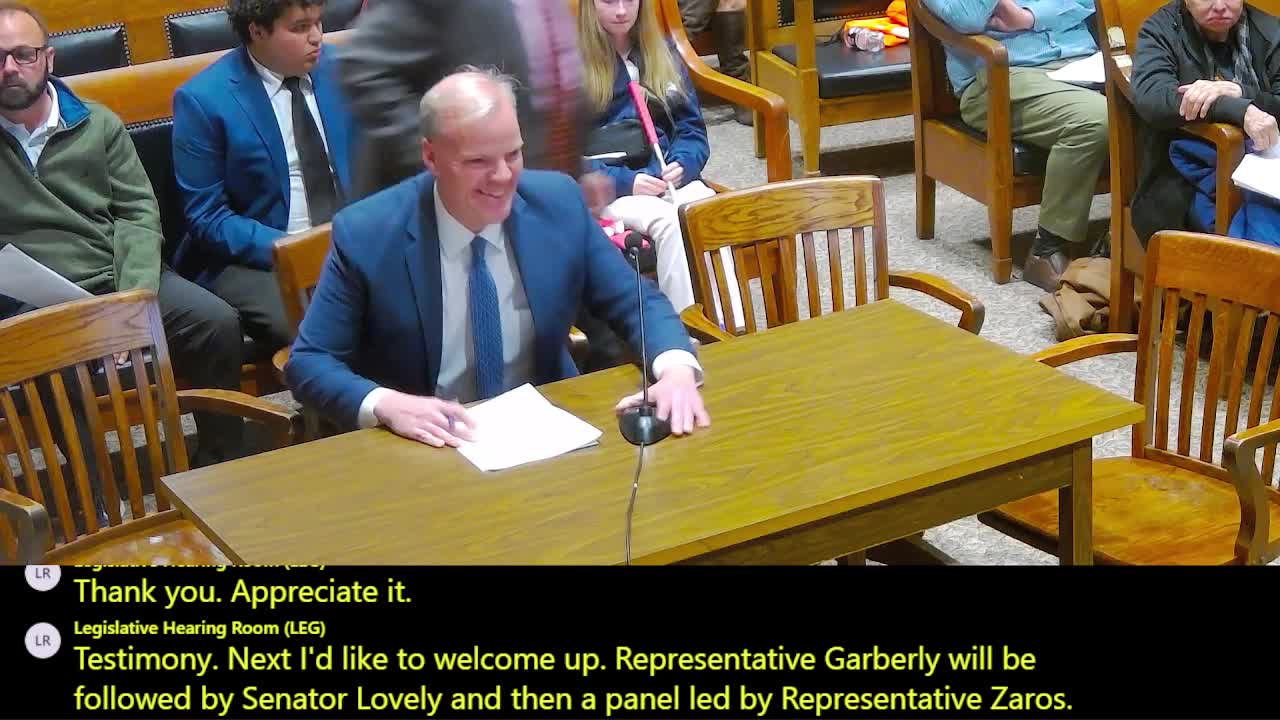
Summary
Advocates and municipal officials urged the Joint Committee on Transportation to pass H.3750 / S.2399, which would waive the $25 RMV fee and allow service-provider documents to establish residency so youth and adults experiencing homelessness can get state ID cards.
Advocates and city officials told the Joint Committee on Transportation that lack of state identification is a major barrier to housing, jobs and essential services for people experiencing homelessness and urged passage of House Bill 3,750 and its Senate companion, S.2,399.
"Without an ID, people experiencing homelessness often cannot apply for jobs, enroll in education programs, get a library card, pick up packages, receive prescriptions, open a bank account, access government services, or verify their identity with law enforcement," said Julia Garvey of the Massachusetts Coalition for the Homeless during testimony. The coalition asked the committee to waive the $25 Registry of Motor Vehicles fee for those experiencing homelessness and allow applicants to submit letters or records from homeless service providers or state agencies to prove Massachusetts residency.
The bills would require the RMV to create a no-fee process for people experiencing homelessness, including young people under age 25, and to accept alternative documentation when conventional proofs of residency are unavailable. Witnesses said those changes matter for daily needs and long-term stabilization: advocates cited studies and program experience showing that youth and adults who lack ID cannot access housing programs, benefits or medical care.
"This is the lowest-cost bill you've ever seen us talk to you about," said Kelly Turley of the Massachusetts Coalition for the Homeless, urging quick passage. Social workers and municipal officials told the committee the change would be a practical tool: Jose Maso, chief of human services for the city of Boston, said providing fee waivers and flexible residency rules would help veterans, returning citizens and unhoused youth obtain shelter, employment and benefits.
People with lived experience described the practical obstacles. Jason Rankins, a program participant with More Than Words, said recovering a lost ID was essential to returning to work and stable housing. "All it takes is one moment of being homeless. It can leave youth with scars that will last a lifetime," he said. Ethan Shaney, also speaking from the Power Is Yours youth advocacy team, said $25 can be prohibitive when someone lacks food, shelter and hygiene basics.
Proponents said the bill builds on practices in other states and on data: coalition testimony cited a 2024 statewide youth count and a 2023 study estimating roughly 3,000 young people experiencing homelessness in Massachusetts.
The committee did not take a vote during the hearing. Supporters asked members to report the bill favorably and move it quickly through the legislative process so affected people can access services that require identification.