Educational collaboratives seek simple ethics fix so member‑district staff can work part‑time for collaboratives
Loading...
Summary
The executive director of a southeastern Massachusetts educational collaborative asked the committee to report H.3386/S.2193, legislation that would clarify the ethics statute so employees of member school districts may accept evening, part‑time or summer work with regional collaboratives without an apparent conflict of interest.
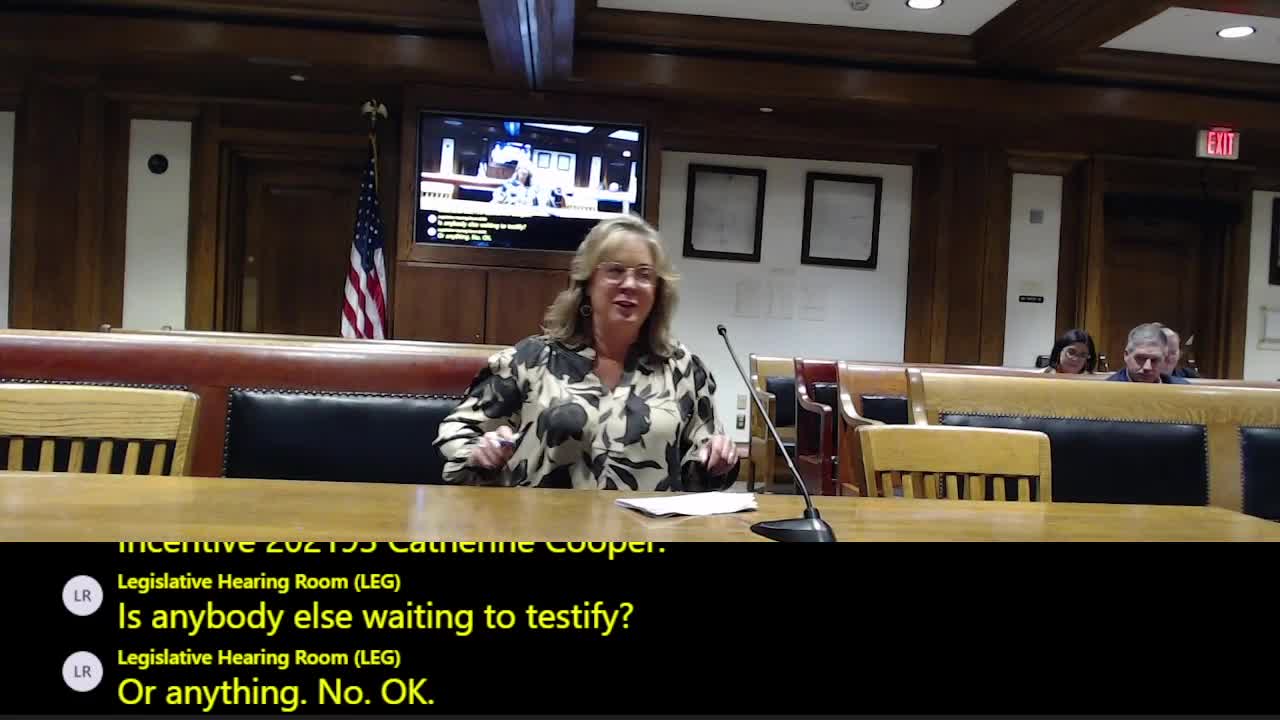
Catherine Cooper, executive director of the Southeastern Massachusetts Educational Collaborative, testified in favor of H.3386 and S.2193, language intended to fix an unintended consequence of ethics law that prevents staff employed by member school districts from working part‑time for the collaborative.
Problem described: Cooper said the current interpretation of ethics law treats collaboratives as having a financial interest in the same contract as member districts, which has been read to bar district employees from accepting part‑time, summer or evening positions with collaboratives even when both employers serve the same students. She called the situation an unintended consequence that predated the pandemic but is now acute because of workforce shortages.
Why change is needed: Supporters said the change is administrative and technical — not a new funding request — and would permit collaboratives to hire teachers, nurses and specialists for extended‑day and summer programs who are already credentialed and employed by member districts. Cooper said prior bills received favorable committee reports but stalled in third reading and urged the committee to move the language forward.
Committee response: Cooper said the ethics commission legal team is not opposed and that language was coordinated with counsel; written testimony will be submitted. No committee vote on the bill was recorded in the hearing transcript.