
Prosecutor urges district-court jurisdiction for some school-threat and leaving-the-scene cases to reduce backlogs
Get AI-powered insights, summaries, and transcripts
Subscribe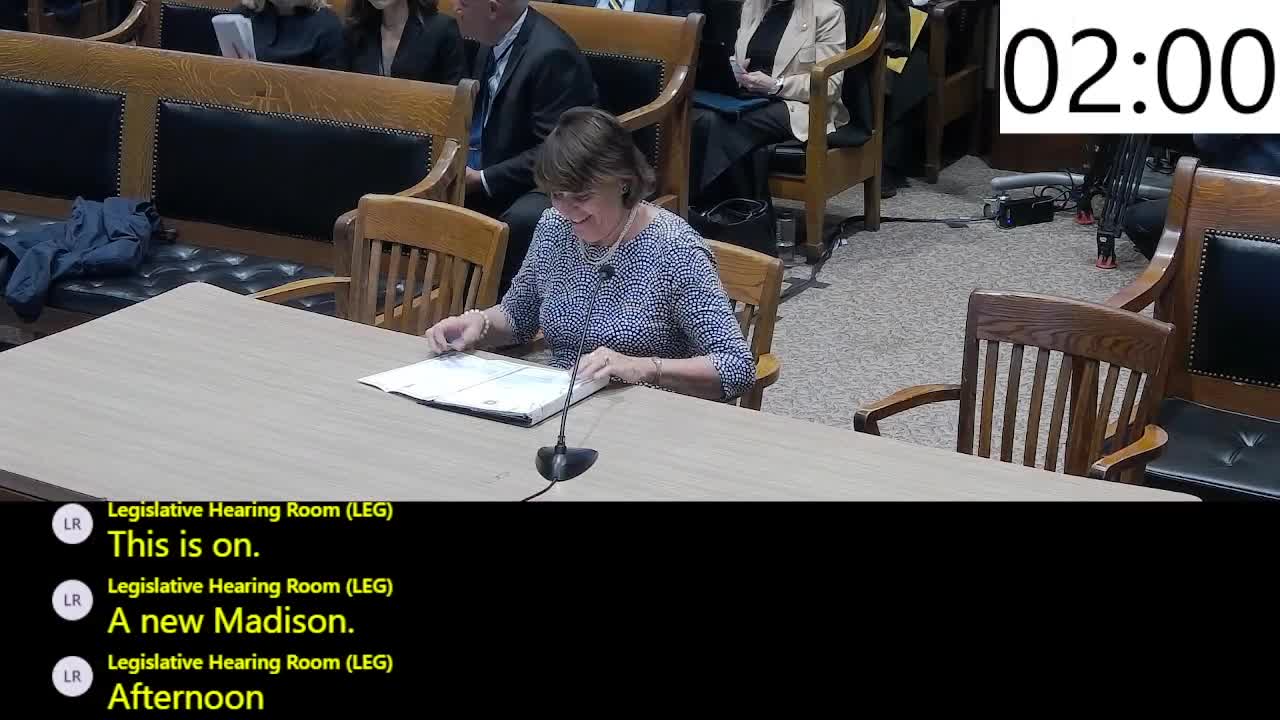
Summary
A district attorney asked lawmakers to grant district courts concurrent jurisdiction over certain school-threats and leaving-the-scene-with-death cases so lower-level matters can be handled more quickly and resources in superior court focused on the most serious prosecutions. The change would allow prosecutors discretion to proceed in district or
A district attorney told the Joint Committee on the Judiciary that two bills — House Bill H1604 and House Bill H1846 — would give prosecutors needed flexibility to choose district court for certain allegations involving threats to schools and for some leaving-the-scene cases that resulted in death, particularly where facts suggest panic rather than intoxication.
The prosecutor said the current statutory scheme excludes the district court from jurisdiction over the listed offenses, forcing indictments that must proceed in superior court and lengthening case timelines. "We as prosecutors should be able to treat those differently, and we should be able to expedite the handling of some of those by being able to not have to indict those individuals and deal with them in the district court," the district attorney told the committee.
Using the example of school-threat calls and incidents where a caller lacks access to weapons or where a juvenile may be involved, the prosecutor said district court jurisdiction would allow quicker assessment and more appropriate resolution. On leaving-the-scene statutes, the witness said mandatory minimum sentences for certain felonies led some defendants to flee scenes; allowing district court jurisdiction for less culpable cases would permit faster resolution in some matters and reserve superior court resources for cases appropriately charged at the felony level.
Committee members asked whether the bills would change culpability standards; the prosecutor answered that the proposals focus on venue and prosecutorial flexibility, not on lowering standards for conviction.
No formal action was taken at the hearing.