Get Full Government Meeting Transcripts, Videos, & Alerts Forever!
Get email alerts on the Graduate Student Benefits topic
No spam. Unsubscribe anytime.
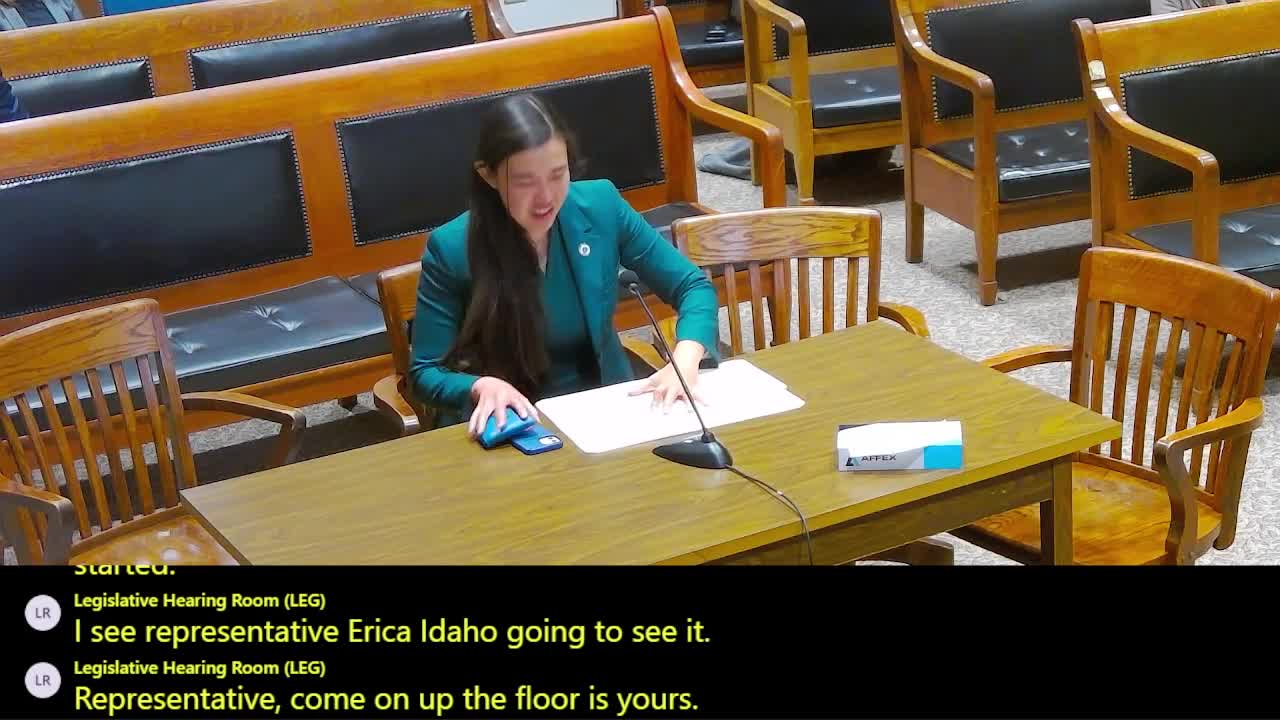
Mass. hearing: students and unions press lawmakers to extend PFML and unemployment insurance to graduate workers
Summary
Graduate students, union leaders and legal advocates urged the Joint Committee on Financial Services to pass bills S.747 and H.1336 so student workers who teach and do research at Massachusetts colleges can access paid family and medical leave and unemployment insurance.
Graduate students, union leaders and labor and legal advocates testified before the Joint Committee on Financial Services in favor of S.747 and H.1336, bills that would make graduate student workers eligible for Massachusetts paid family and medical leave (PFML) and unemployment insurance (UI).
Supporters said graduate student workers perform the same teaching and research duties as other university employees but are carved out of state safety-net programs. "When I was employed by my university, I would not have had access to paid family medical leave or unemployment insurance," said Rebecca Eiderhoven, who identified herself as supporting H.1336 and S.747. "Your status as a student and a worker should not result in not having access to basic safety nets such as PFML and UI."
Why it matters: Testifiers said the exclusion creates financial and health risks for graduate workers who rely on stipends and semester-to-semester funding. Lauren Chua, president of the MIT Graduate Student Union (UE Local 256), described graduate work as essential operational labor for universities and recounted a member who delayed care because she lacked paid leave. Kevin Brussell, secretary-treasurer of the Massachusetts AFL-CIO, noted the state's PFML and UI programs are widely used and argued extending coverage would align protections with workers' contributions and roles.
Details and debate: Speakers stressed the change is a technical statutory fix: both PFML and UI statutes incorporate the same employment definitions, so removing the exemption from the unemployment-insurance definition would also make student workers eligible for PFML. Advocates said universities have options to comply (contribute to the state funds or offer equivalent private plans) and that the fiscal impact would be small—grad student workers likely represent under 1% of claimants and could be revenue neutral or revenue positive when employers make contributions or reimburse the trust funds.
Personal accounts were central to testimony. PhD candidates described childbirth complications, newborns in the NICU, cancer treatments, mental-health crises, and long medical leaves taken without pay or with only limited contract protections. David Sutton, a PhD candidate at Harvard, said he returned to work a week after a newborn's NICU stay because leave was not available: "I was expected to carry on as if nothing had happened." George Yin recalled surgery and an extended neonatal ICU stay for his second child and said paid leave would have kept his family stable.
Opposition/comments in the hearing: No organized opposition appeared; several members of the committee asked clarifying questions about administrative impacts and whether universities could implement private plans. Insurance-sector witnesses said many universities already offer private PFML plans for other employees and that compliance flexibility exists under current law.
Process and next steps: Testifiers repeatedly asked the committee to report S.747 and H.1336 favorably out of committee. The transcript records testimony but no committee vote on either bill during the hearing.
Ending note: Advocates framed the bills as a narrow change to statutory definitions that would align labor protections with the roles students already perform at Massachusetts colleges and universities.