Get Full Government Meeting Transcripts, Videos, & Alerts Forever!
Get email alerts on the Baby Bonds topic
No spam. Unsubscribe anytime.
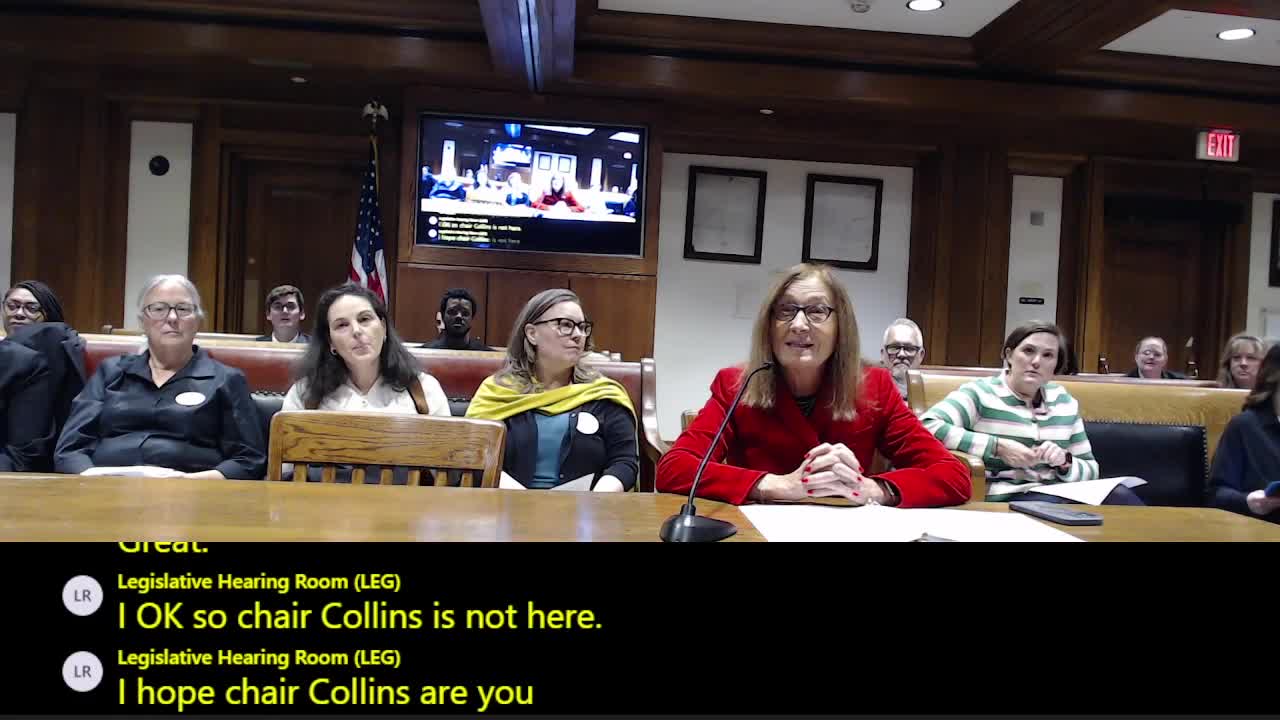
Treasurer and coalition urge committee to advance baby bonds bill to close wealth gap
Summary
State Treasurer Deborah Goldberg urged the Joint Committee on State Administration and Regulatory Oversight to report favorably on House 3429 and Senate 2146, an act to create a Massachusetts baby bonds program that would seed accounts for children born or adopted into low‑income families or in DCF custody.
State Treasurer Deborah Goldberg urged the Joint Committee on State Administration and Regulatory Oversight to report favorably on House 3429 and Senate 2146, an act to establish a Massachusetts baby bonds program that would provide seed investments to children born or adopted into families with incomes below 200 percent of the federal poverty level or placed in DCF custody.
Goldberg said the program grew out of a state task force and would be administered by the state treasurer’s office via a trust and an advisory board. “These funds would grow until the child reaches 18, at which time the money could be used for long‑term wealth‑building activities like the purchase of a home, starting a business, or post‑secondary education or training,” Goldberg said. She described policy choices considered by the task force and said the trust structure mirrors other pooled funds her office manages.
Why it matters: Witnesses framed baby bonds as a targeted, long‑term investment designed to reduce the racial and economic wealth gap and improve long‑term health and economic outcomes. Researchers and service providers linked asset gaps to poorer health and reduced post‑surgery outcomes for children, and economic advocates said automatic enrollment and seed funding can create an intergenerational shift in opportunity.
What proponents described: Coalition members and researchers supplied modeling, program details and health evidence. Treasury testimony and coalition witnesses stated the task force recommended a mid‑option modeled benefit that could produce roughly $15,000 at age 18 under a 5 percent assumed growth rate; presenters noted that returns are estimates and depend on market performance.
Public‑health and service provider testimony added context. Boston Children’s Hospital researchers described a study finding families with higher financial toxicity had worse post‑transplant outcomes and higher readmission rates. Boston Medical Center clinicians said early economic stability affects prenatal and infant health. Nonprofit and policy groups described Connecticut’s enacted program and modeling that a $5,000 bond could grow to roughly $17,000 by age 18 and substantially more if left until older ages.
Administration and eligibility: Goldberg said accounts would be held in a pooled trust managed by the treasurer’s office, with withdrawals permitted between ages 18 and 35 and a residency requirement at the time of withdrawal. She stated that baby bonds would not be counted as household assets that would jeopardize eligibility for public benefits. Uses would be limited by regulation to asset‑building activities (education including vocational training, home purchase, business start‑up, and investments in personal financial assets), with no broad waivers for consumption spending.
Questions and concerns raised: Committee members asked about program administration, investment return assumptions, whether funds affect eligibility for means‑tested benefits (Goldberg: no), and how unclaimed funds would be handled (Goldberg: returned to the trust). Witnesses urged the committee to consider accompanying financial literacy and matched savings measures.
Next steps: The record contains extensive testimony supporting a favorable report; the committee did not take a vote on the bills during this hearing.