City outlines winter shelter at Be Heard site; will open Nov. 17 with phased capacity and ARPA operations funding
Loading...
Summary
City staff and service partners described a winter shelter to open Nov. 17 at 7216 E. Admiral Place with daytime Be Heard services continuing and overnight sheltering, case management and medical outreach to scale from 50–60 initial beds to 125 in regular operation and 250 for emergency nights.
The committee received a detailed presentation and extensive Q&A on a winter-shelter plan that will open Nov. 17 at 7216 E. Admiral Place, the current daytime site for the Be Heard program. The shelter is planned to operate Nov. 17–Mar. 31, will be pet friendly, and is intended to reduce frostbite, fire responses and other cold-weather harms by providing 24-hour sheltering, security, meals and case management.
The presenter, identified in the transcript as the mayor's senior adviser on homelessness (name not stated), said the shelter will "open November 17 through March 31" and "have the capacity to serve up to 250 individuals" during declared emergencies, with initial operation serving "50 to 60 over the first couple months and then move into serving a 125." The presenter added the site will provide "breakfast, lunch, and dinner, on-site case management, housing navigation... medical, dental, via supplies for cold weather needs, daytime programming" and "on-site showers, laundry service, lockers, mail service" and that Be Heard's daytime services will continue.
The presenter and providers said Family & Children's Services and other Way Home for Tulsa partners will support staffing and case management. Jill Young of Family & Children's Services described past years' involvement: "every year, Family Children Services is used to providing some staffing, support for this event... sometimes... it was almost 200 staff over the course of however many days that we provided. We do that along with Grand with Mental Health Association. There are we just all pull together and do what we need to do."
Funding for operations was described as ARPA dollars allocated for emergency shelter use that were part of earlier homeless-service agreements; the presenter said "these are dollars that have not been utilized yet but are geared towards emergency shelter" and later stated "it's up to a million dollars left" allocated for emergency-weather sheltering operations for roughly four to five months. The presenter said the fire marshal granted exceptions allowing temporary expanded overnight capacity for the winter period after required walkthroughs and installation of wired smoke detectors; if the operator seeks to continue long term, additional permanent fixtures and approvals would be required.
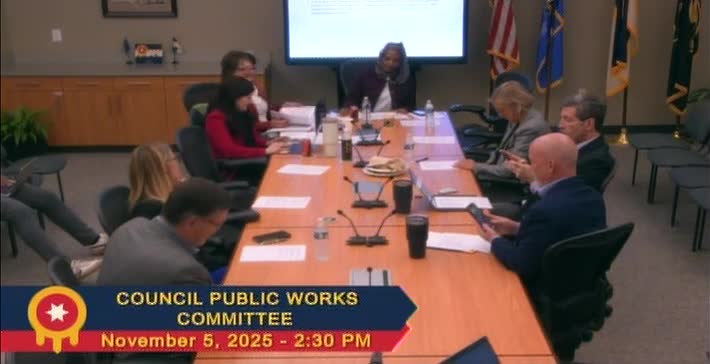
Councilors repeatedly pressed for neighborhood engagement, detailed operational plans, security staffing, transport and bed-to-housing pathways. A councilor asked for biweekly public meetings with the mayor's office, and another asked for a tangible operations plan and cost-per-person staffing numbers. The transcript shows the presenter and partners agreeing to provide more detailed operational materials and to follow up with neighborhood engagement, and indicates strong coordination among providers for emergency activation. The excerpt does not record a formal vote on any resolution or contract for the shelter.