Get Full Government Meeting Transcripts, Videos, & Alerts Forever!
Ritter Communications seeks right-of-way permit; councilors press company on restoration, contractor oversight and local hiring
Summary
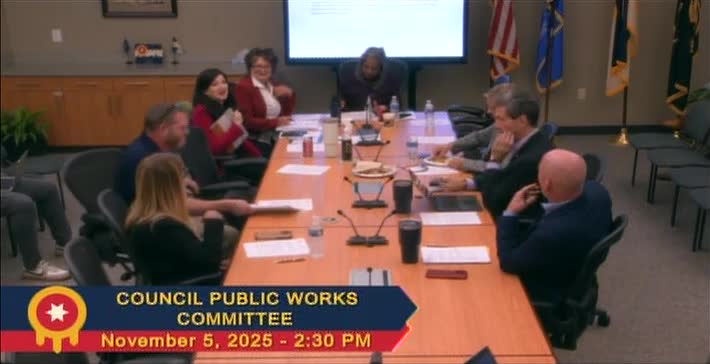
Ritter Communications asked the Public Works Committee for a right-of-way occupancy permit to install and operate fiber facilities in Tulsa; city staff said the application has departmental clearance and Ritter described construction, customer pricing and community-notification practices.
Public Works staff presented a right-of-way occupancy permit request from East Ritter Communication Holdings LLC to place and operate facilities in the city's rights of way, citing the city's rights-of-way management ordinance (Title 11, Chapter 12).
Chris Mashburn, Public Works, summarized the request and said the application "has been reviewed and accepted by all applicable departments." Ritter Communications representatives described the company and its planned build. Victor Esposito said the company has been operating since about 1906 and…
Already have an account? Log in
Subscribe to keep reading
Unlock the rest of this article — and every article on Citizen Portal.
- Unlimited articles
- AI-powered breakdowns of topics, speakers, decisions, and budgets
- Instant alerts when your location has a new meeting
- Follow topics and more locations
- 1,000 AI Insights / month, plus AI Chat