Mayor asks Tulsa voters to consider 0.7-cent sales-tax increase to fund public safety, homelessness and youth programs
Loading...
Summary
Mayor: The action that I am asking the council to take, here in a matter of of a couple weeks is to put a question, 2 questions actually, to a vote of the people. 1 ... would be a 7 tenths of a penny sales tax increase, to invest in, critical services across the city.
Mayor: The action that I am asking the council to take, here in a matter of of a couple weeks is to put a question, 2 questions actually, to a vote of the people. 1 ... would be a 7 tenths of a penny sales tax increase, to invest in, critical services across the city.
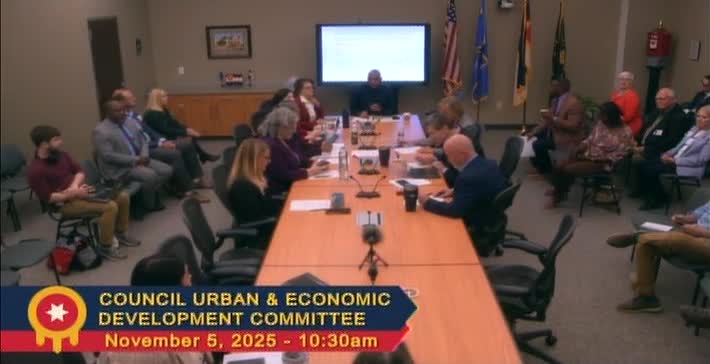
The mayor told the Urban Economic Development committee on Nov. 5 that the administration's proposal would channel an estimated $80 million a year in additional operational revenue into the city budget and asked the council to vote later this month on whether to put the measure before voters for a Feb. 10 election. He said the money would be considered in the regular budget process and emphasized the need to fund homelessness services, raise public-safety pay, expand children and youth programs and support economic-development efforts.
Why it matters: City officials said the increase is intended to address persistent, citywide service gaps the administration described as structural ' problems the budget cannot fix without ongoing new revenue. The mayor framed the proposal as an operational revenue source that would allow the city to plan next year's budget with greater certainty.
Council reaction: Council members voiced broad agreement on the priorities but disagreed on timing, process and detail. Councilor Bellas asked for concrete household and small-business examples of the tax's effect and quoted an illustrative calculation the administration had circulated: "the number would come out to a little under $9, about $8.79" a month for a family of four on a food budget scenario. Several councilors said they want a line-item breakdown showing how much would be dedicated to homelessness, public safety and youth services before they would support a ballot referral.
Multiple members urged more public engagement. Councilor Lincoln said the issue is not whether needs exist but whether the council and the public have had "enough time to just understand what their plan is" and to see specific allocations for proposed programs. Councilor Dutton noted the lower median income in parts of the city and warned that the proposal could disproportionately affect residents on fixed incomes.
Administration response: The mayor said the Feb. 10 date is tied to the city's budget calendar and to timelines imposed by state election law; he also said the city would provide additional analysis and outreach in the weeks before a council decision and that council appropriators would still control spending decisions in the budget process. He repeatedly framed the decision as giving voters the choice to authorize new, recurring operating revenue.
Remaining questions and next steps: Council members asked for more precise cost estimates (per-household and per-business calculations), a breakdown of how a possible $80 million would be allocated, and the consultant's assumptions on homelessness cost estimates (cited in the meeting as roughly $30 million). The mayor committed to deliver additional documents and to continued public education; he asked the council to vote on Nov. 19 on whether to place the questions on the ballot. No formal vote or ordinance was taken at this meeting.
Ending note: Debate at the committee reflected a split between members seeking more time and specific accountability mechanisms and the administration's insistence on urgency. Councilors who opposed an immediate referral said they would support further study and public engagement; the mayor said he would continue outreach and supply requested analyses ahead of any council ballot vote.