Get Full Government Meeting Transcripts, Videos, & Alerts Forever!
Get email alerts on the Statutory Interpretation topic
No spam. Unsubscribe anytime.
Appeals court wrestles with whether statute requires whistles at grade crossings or allows bells as alternative
Summary
Appellant urged the court to read safety statutes to require whistle warnings at grade crossings; MBTA said the statute permits ringing a bell as an alternative and stressed regulatory discretion and safety tradeoffs.
Peter Brown, arguing for Mark Lehman, told the appeals court the statute requiring an audibility warning at grade crossings should be read in context and history to require the more effective warning (whistle) rather than treating bell or whistle as interchangeable. Brown said that when the legislature created processes (including modern §139 petitions and home‑rule equivalents) to forbid whistles, it recognized whistles perform a unique, life‑saving function at crossings and that agencies must follow the statutory petition process rather than unilaterally removing whistles.
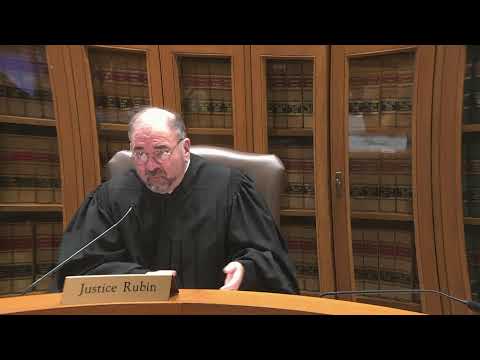
Justice Rubin and the panel pressed counsel on whether an 1800s drafting choice requires a modern court to read 'or' as effectively 'and' (i.e., require whistles) and whether mandamus could compel MBTA to sound whistles in particular crossings. Brown cited Boyd and other train‑safety cases to argue audibility over a quarter mile or specified rod distances can matter in avoiding deaths.
MBTA counsel Jennifer Sage responded that the statute is plain and disjunctive — a bell may be rung or a whistle may be sounded — and that mandamus cannot be used to compel the MBTA's discretionary safety judgments. Sage pointed to federal and state regulatory schemes (quiet zones, DPU and FRA jurisdiction) and operational concerns (a whistle could alarm pedestrians on platforms and induce dangerous reactions) to justify MBTA's discretion.
The court also questioned standing and whether mandamus is an appropriate remedy. MBTA argued Lehman lacked the 'clear and unequivocal duty' required for mandamus and that the statutory scheme and administrative processes weigh against judicial compulsion. The panel submitted the matter after extended questioning on statutory history, safety tradeoffs, and the interplay with regulatory quiet‑zone processes.