Get Full Government Meeting Transcripts, Videos, & Alerts Forever!
Get email alerts on the Land Use topic
No spam. Unsubscribe anytime.
Developer challenges Grafton Planning Board’s denial of waiver for 57‑unit project
Summary
A developer seeking a waiver of Grafton's 500‑foot dead‑end road limit for a 57‑unit project argued the board's denial was arbitrary and contradicted record evidence; the board defended its discretion and safety reasoning.
Brian Grossman, representing the applicants for a proposed 57‑unit multifamily development in Grafton, told the court the Planning Board's denial of a waiver from the town’s dead‑end road length limit (500 feet) was arbitrary and unsupported by evidence. Grossman said the board relied on public‑safety rationales not borne out by the record, contradicted expert testimony (including the town’s fire chief) and was inconsistent with prior approvals where longer roads were permitted.
Grossman urged the appeals court to reverse the Land Court's decision upholding the board and to find the denial of the waiver was unsupported by the evidentiary record. He argued the board's own prior finding in 2019 that ingress and egress were adequate was effectively binding and that the 2022 denial, taken without new evidence or project change, lacked a rational basis.
Anthony Riley, counsel for the Grafton Planning Board, replied that the board has broad discretion in waiver requests and that the applicant bears the burden of demonstrating a conservation or public benefit. He emphasized the board identified road length and emergency‑access concerns and argued that special‑permit standards for multifamily developments differ from subdivision standards (where prior waivers were granted), giving the board authority to weigh risks and benefits.
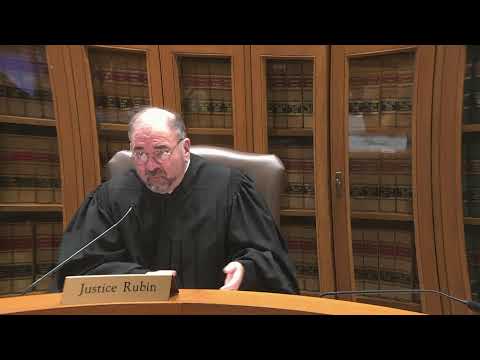
Justices pressed both sides on whether a reviewing court must be able to "glean" a rational basis from the record and whether the board's post‑remand explanations were adequate to distinguish the Hillview Estates precedent. The panel also questioned whether a 3‑2 vote without detailed reasoning was reviewable when prior, similar waivers had been granted.
The court submitted that dispute; no immediate ruling was announced from the bench.