Get Full Government Meeting Transcripts, Videos, & Alerts Forever!
Get email alerts on the Officer Wellness topic
No spam. Unsubscribe anytime.
Law‑enforcement groups urge standardized critical‑incident leave and wellness protocols
Summary
NEPBA, municipal police leaders and retired officers testified in favor of H 2653 (baseline wellness policies) and H 2621 (critical‑incident leave) to reduce stigma, provide confidential counseling, and set state standards for post‑incident care for officers.
Advocates and current and former law‑enforcement personnel told the committee that critical‑incident leave and consistent wellness protocols are necessary to protect officers’ long‑term mental and physical health.
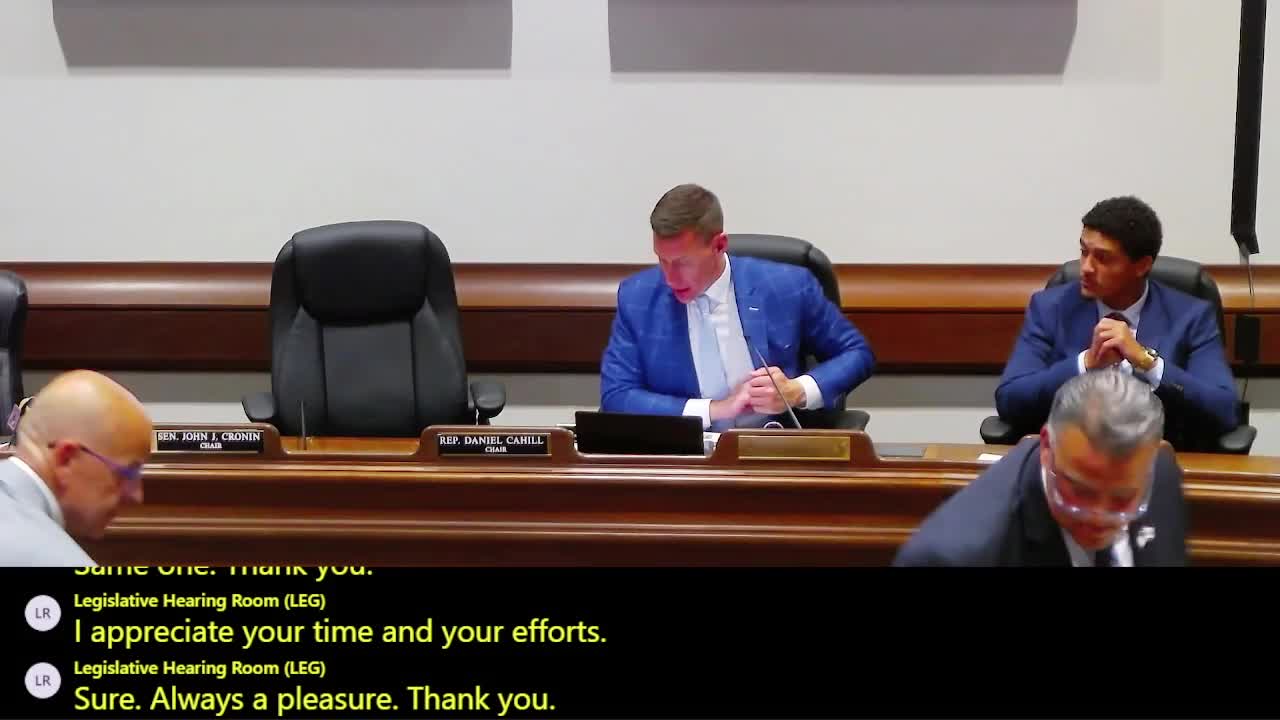
Thomas Kelly of the New England Police Benevolent Association, a retired officer who has been involved in officer-involved shootings, described the period after a critical incident as “extremely difficult on the officers’ physical and mental health” and urged structured leave and counseling under H 2621. Frank Frederickson (retired police chief and director of government affairs for the Massachusetts State Police Association) and James Creed (Plymouth County Sheriff's Office captain and peer‑support coordinator) described repeated, day‑to‑day exposure to trauma among officers and argued H 2653 would create baseline policies developed by the municipal police training committee to standardize debriefing, peer support and psychological services.
Witnesses also raised confidentiality concerns: recent court decisions have limited the confidentiality of CISM/debriefing sessions, causing peers to fear that candid in‑room discussions could later be used in civil or disciplinary proceedings. Multiple speakers said separate bills addressing confidentiality protections were pending and urged the committee to coordinate those measures with wellness and leave bills.
Committee members asked about confidentiality protections, program costs, and how standardized protocols would interact with local department practices. No vote was taken; panelists asked for favorable reports so the proposals can be scheduled for a chamber vote.