Get Full Government Meeting Transcripts, Videos, & Alerts Forever!
Get email alerts on the Official Address Privacy topic
No spam. Unsubscribe anytime.
Secretary of State deputy urges legislative fixes to limit public posting of officials’ residential addresses
Summary
Sandy McNarty, deputy to Secretary of State Michael Howe, told a legislative committee that state statutes and open‑records rules now require residential addresses on many filings and recommended statutory and systems changes to redact or limit publication of those addresses.
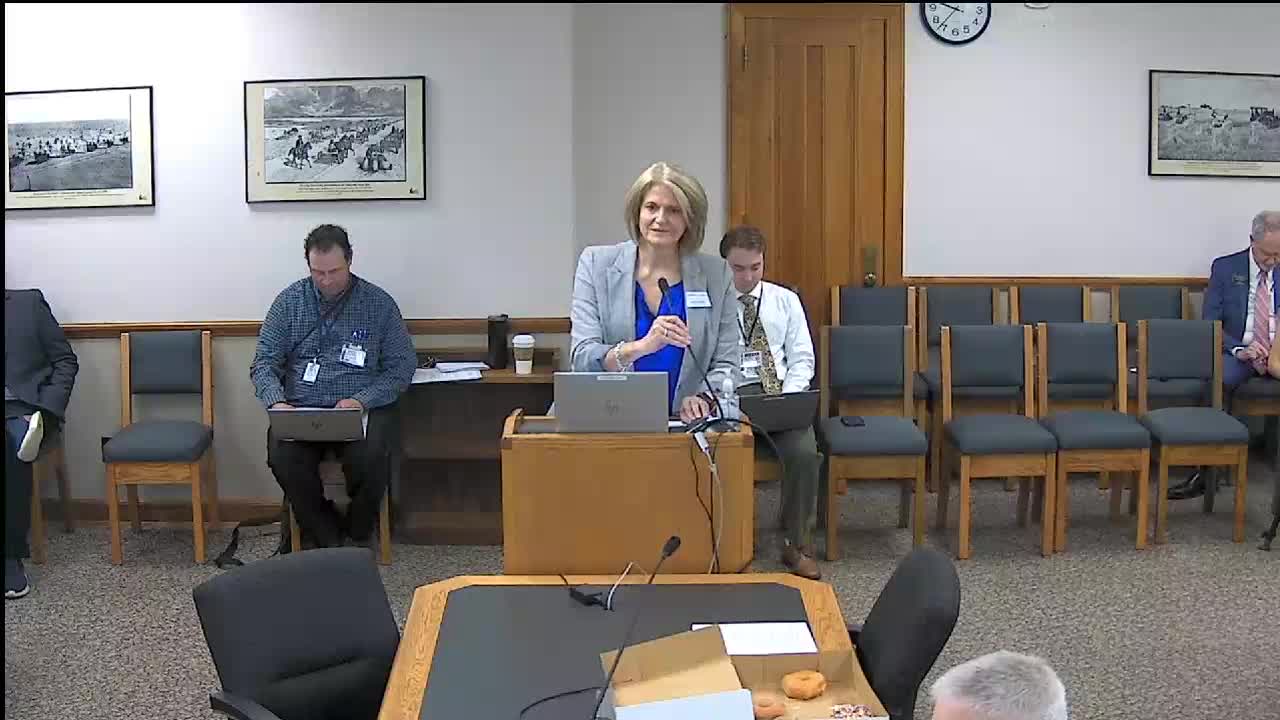
Sandy McNarty, deputy to Secretary of State Michael Howe, told the Legislative Procedures and Arrangements Committee that the Secretary of State’s office collects wide-ranging residential and mailing address information for candidates, appointees and many public officials under current statute and that — because of open‑records law — much of that information can be requested and released to the public.
“Our office serves as the starting point for democracy and transparency,” McNarty said. She walked members through the forms and filings that contain addresses — affidavits of candidacy, petitions, certificates of nomination, statements of interest and the voter lists used by candidates and committees — and explained why candidates sometimes put their residential addresses on filings when they do not provide separate mailing addresses.
McNarty told the committee that open‑records law limits the Secretary of State’s ability to withhold information and that current confidentiality exemptions cover law‑enforcement personnel, prosecutors, judges and some correctional‑system staff but not the broader class of public officials. She offered several paths the committee could consider: amending open‑records law to allow redaction of residential addresses on filings; allowing candidates to provide mailing addresses only (and suppress residential addresses online); and creating opt‑in processes for campaign‑finance filers so their personal addresses are not published in online reports.
Members pressed on feasibility and scope. Senator Klein warned that in small towns a PO box often reveals residents’ locations; Senator Hogan said national conversations about threats to elected officials make the subject urgent and asked whether the Secretary of State is coordinating with national groups. McNarty said the office is engaged with national counterparts and is willing to work with the Attorney General’s office and legislative staff on drafting statutory changes; she cautioned that software and system changes would take time and cost money.
The committee requested further follow-up, including an invitation to the State Library to explain its need for paper copies in the printing discussion and a future presentation from the Highway Patrol on security options.
Next steps: Legislative Council staff and the Secretary of State’s office will coordinate with the Attorney General and return with draft options for changes to statutes and system procedures.