Spearfish board weighs $340,000 overlay vs. multi‑million-dollar turf option for middle school track and field
Loading...
Summary
The Spearfish School District 40‑2 board discussed engineering designs and multiple cost scenarios for replacing the middle school track and field, including a short-term 2‑inch overlay estimated at roughly $340,000 and full reconstruction options that could exceed $3 million depending on turf, drainage and excavation needs; no vote was taken.
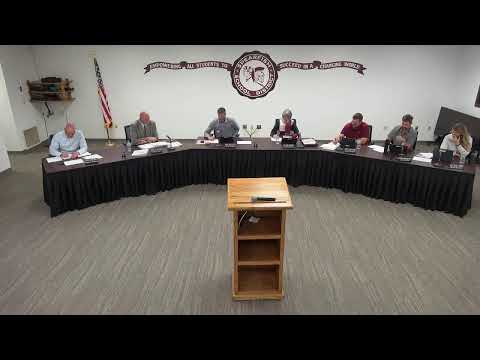
The Spearfish School District 40‑2 board spent the bulk of its Nov. 10 meeting considering options, engineering work and likely costs for a replacement of the middle school track and field. Superintendent Kirk presented a design-and-engineering agreement with Mammoth and an interactive cost spreadsheet that the district can use to model different scopes and funding scenarios.
Kirk described a short‑term option: a 2‑inch overlay using a reflective‑cracking fabric and spot repairs that would preserve the existing track surface. He said that overlay would cost about $340,000 but warned engineers expect reflective cracking to reappear in roughly three years. “You’re looking at 340,000 to do that,” Kirk said, adding that the overlay does not include fence, sidewalk, striping or rubberized surfacing.
By contrast, the board discussed full reconstruction that includes engineered excavation, new infill or turf and related site work. Committee estimates and vendor quotes varied: Mammoth’s drawings included a base track estimate 'just under $1.7 million' for the track alone (without add‑ons), while other line items discussed in the meeting — irrigation, drainage and turf — increased the total. Kirk said some vendor quotes placed the full project price at more than $3 million depending on specifications and the amount of engineered fill required.
A major driver of cost is subsurface work. Kirk told the board the site has problematic clay soils and vendors expect to excavate roughly 3–4 feet and bring in engineered fill, a step that raises cost substantially. He also said Mammoth offered roughly a $100,000 deduct if a third party takes the excavated material; board members suggested exploring whether the City of Spearfish or local contractors could accept the dirt to reduce costs.
The board discussed procurement options: send Mammoth’s final drawings to multiple vendors (examples named in the meeting included Fisher Track and FieldTurf/Tarkett) with 'do not exceed' pricing, or pursue a design‑bid‑build model and hire a construction manager such as Kraus Anderson to oversee work. Several members favored getting competing bids so the district could compare prices and identify a potential funding gap.
Funding was a central concern. Kirk said the work would come from capital outlay funds and cautioned about the limits on transferring capital outlay to the general fund for ongoing expenses. “The state is very clear of statute … there’s 45% of your revenue you have that transferability to your general fund, but that is very, very slippery slope when it is for ongoing expenditures,” he said. A board member added the state sets guidelines and large transfers from capital outlay for ongoing costs are not allowed.
Board members and committee participants weighed three broad approaches: (1) do the overlay now and delay turf, accepting a likely short service life; (2) do the full track and turf project now to get a longer‑lasting asset but pay a substantially higher short‑term cost; or (3) phase work and pursue grants or sponsorships to close a funding gap. The meeting concluded with a direction to finalize Mammoth’s drawings and solicit competitive proposals; no formal motion to fund construction was made.
Next steps: the district will finalize engineering drawings from Mammoth, solicit proposals from multiple vendors and return to the board with cost comparisons and recommendations. The board did not vote to allocate construction funds at the Nov. 10 meeting.