
Cloquet board approves one‑year data‑use agreement with Read Basics (Capti) to deepen assessment analysis
Get AI-powered insights, summaries, and transcripts
Sign Up Free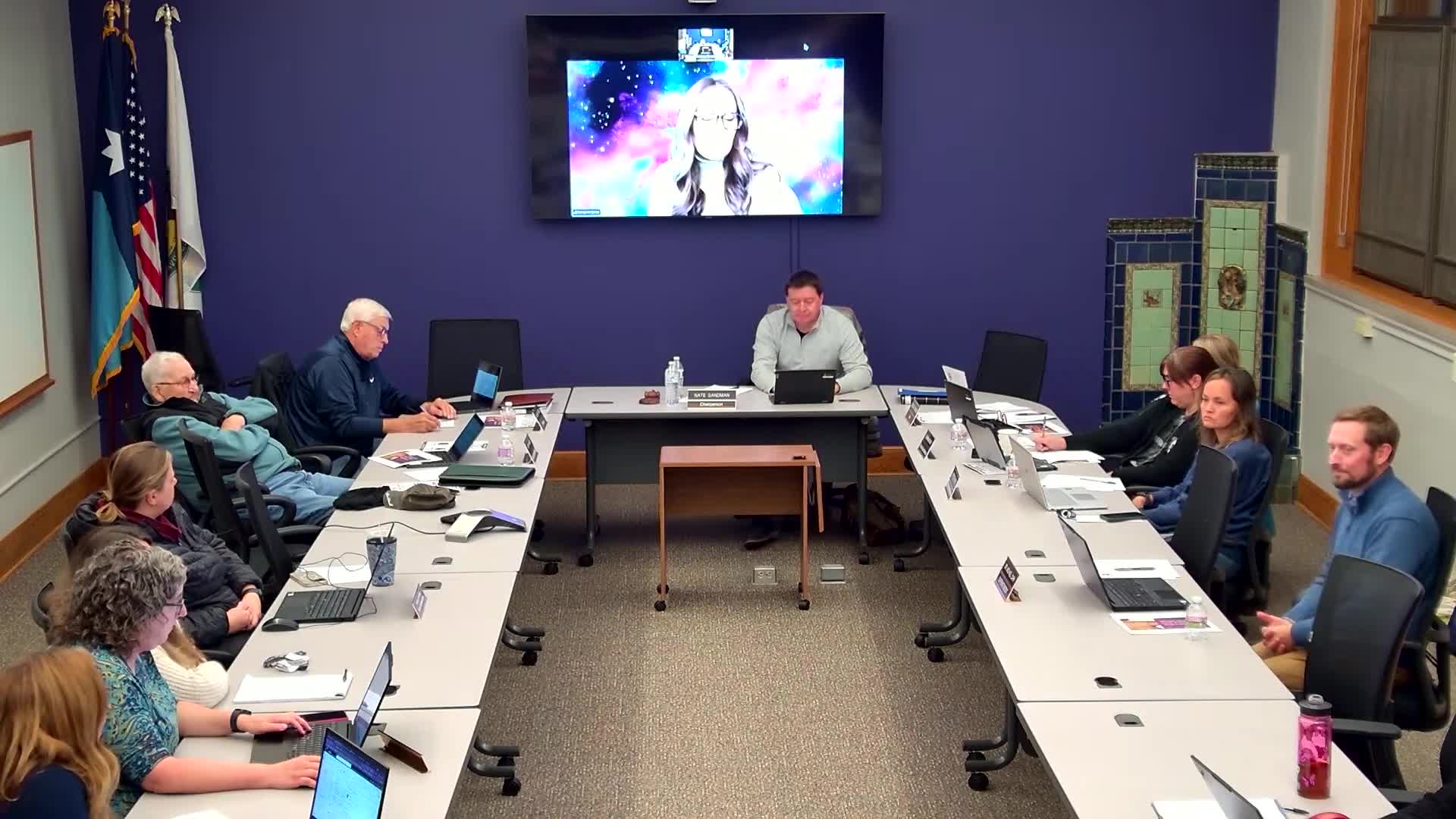
Summary
The Cloquet Public School District approved a one‑year data‑use agreement with Capti (Read Basics) to correlate Read Basics results with other local assessments; Capti prefers de‑identified data and will work with the district on consent and data security.
The Cloquet Public School District board voted Nov. 10 to approve a one‑year data‑use agreement with Capti (the developer of the Read Basics screener) that will allow Capti researchers to analyze district assessment data and correlate Read Basics scores with other measures such as FastBridge, DIBELS, one‑on‑one reading assessments and Minnesota Comprehensive Assessments (MCAs).
Nicole Bagger, the district lead on the project, described multi‑year collaboration with Capti and said Capti’s research team helped the district interpret assessment results and target instructional materials. "We were able to give us really useful information about which programs were most successful for which readers," she said. Dr. Opatz, Capti’s research lead (joining by phone), said Cloquet’s implementation has produced unusually strong gains and that Capti would like to extend analyses to better predict which programs work for which students.
Capti said it prefers to receive de‑identified data. "When it is de‑identified, you share with us a unique key, and that's the only identifier that we have to match students to their other datasets," Dr. Opatz said. The district confirmed that parents and students who do not want their data shared can opt out as part of the consent process.
Board member Leanne Moose moved to approve the one‑year agreement (school‑year term, renewable annually); Melissa Jenin seconded. The board approved the motion by voice vote.
District staff said the agreement will be annual and that if either party wishes to continue or change terms, they will return to the board the following year. The board did not adopt any additional data‑security language in public meeting discussion; staff indicated Capti will accept de‑identified data and can de‑identify data on its side if needed.