
UN voices urgency at COP30: Paris goal bent but speed must increase, NDCs project 12% cut by 2035
Get AI-powered insights, summaries, and transcripts
Subscribe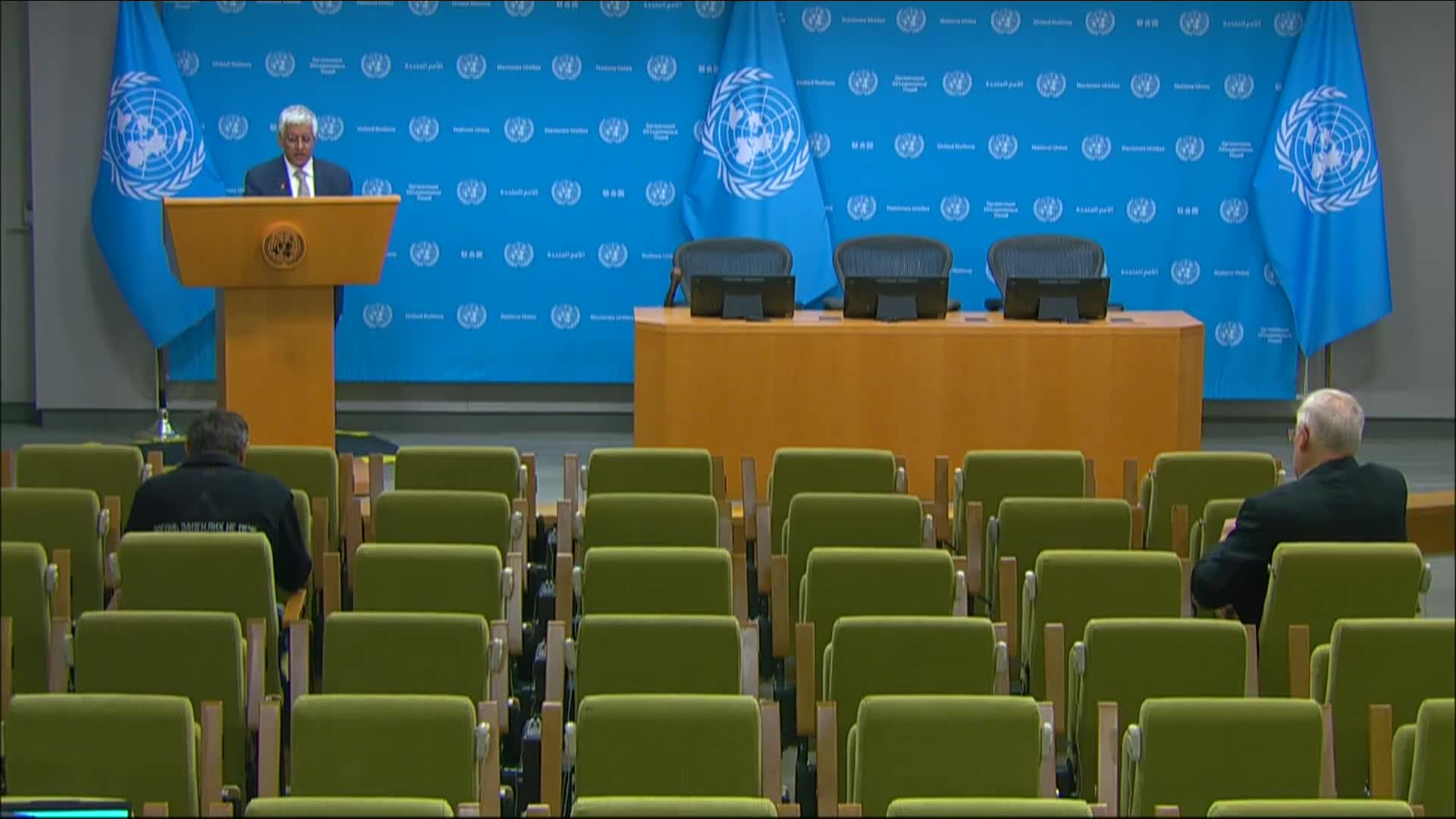
Summary
Simon Steele, the United Nations climate change executive secretary, told delegates at COP30 in Belem that emissions have begun to fall since Paris but countries must accelerate reductions and resilience efforts.
Simon Steele, the United Nations climate change executive secretary, told delegates at the opening plenary of the 30th Conference of the Parties (COP30) in Belem, Brazil, that a decade after the Paris Agreement the global emissions curve has been bent downwards but countries must move much faster on emissions reductions and on strengthening resilience.
“We were designing the future, a future that would clearly see the curve of emissions bend downwards,” Steele said, as summarized in a United Nations briefing. He added that the economies of the transition are “as indisputable as the costs of inaction.”
The briefing noted that the United Nations Framework Convention on Climate Change’s latest NDC synthesis shows new nationally determined contributions, including those submitted in recent days, would reduce emissions by about 12% by 2035. The UN emphasized that every fraction of a degree of warming avoided will save millions of lives and reduce billions of dollars in climate damages.
The UN secretary-general, speaking from Belem, warned that a temporary overshoot above 1.5°C beginning in the early 2030s is now unavoidable unless countries act quickly, but said the scale and duration of any overshoot can be managed with serious, immediate action. He called on parties gathered at COP30 to “renew the great promise the world made a decade ago in Paris by kick starting a new decade of implementation and acceleration,” according to the briefing.
The briefing text and Steele’s remarks focused on the twin priorities of faster emissions cuts and bolstering resilience measures, while presenting the UNFCCC synthesis as evidence that recent commitments move the needle but fall short of the scale needed.
Next steps at COP30 will include negotiations on implementation and finance; the briefing underlined the role of governments, businesses and other stakeholders in delivering accelerated action.