Get Full Government Meeting Transcripts, Videos, & Alerts Forever!
Get email alerts on the Personnel Disciplinary topic
No spam. Unsubscribe anytime.
Milwaukee civil service commission upholds discharge of Kenan Health Center medical assistant
Summary
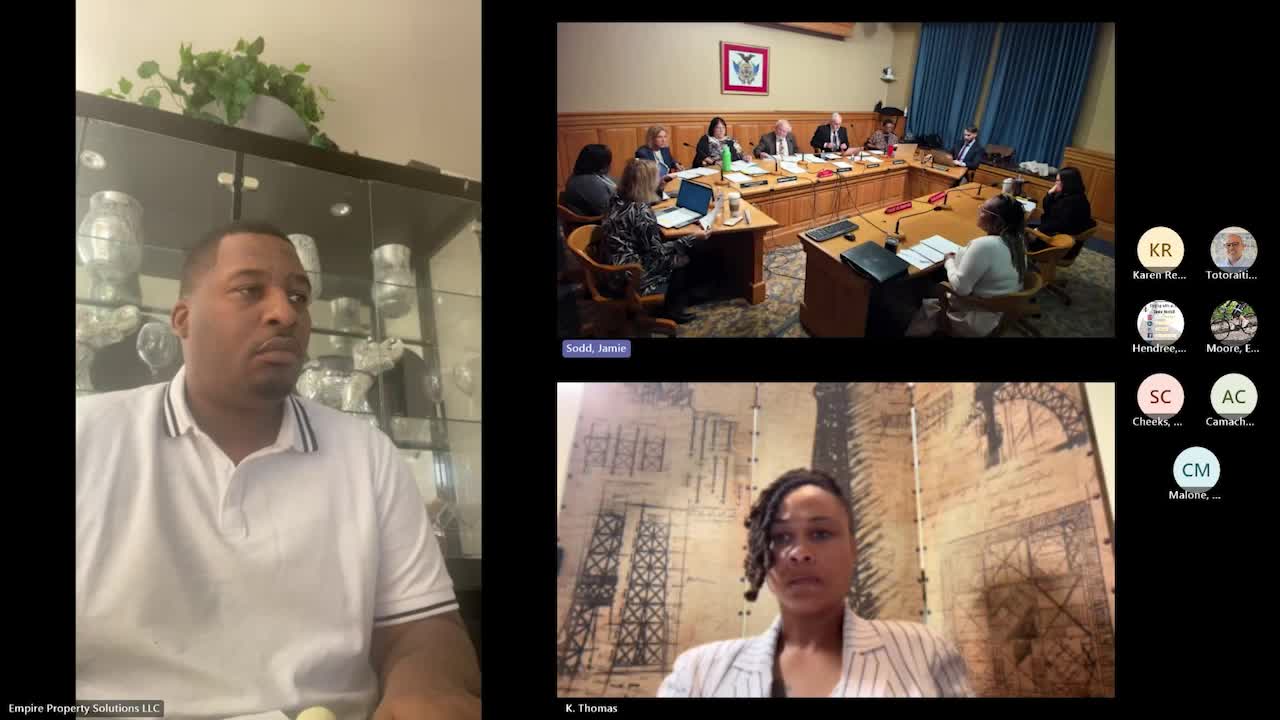
After a full-day hearing with multiple department witnesses and character witnesses for the appellant, the Board of City Service Commissioners voted 5–0 on Nov. 3, 2025, to find cause and uphold the discharge of Lakena Cornelius for conduct that the department said created a hostile and unsafe workplace.
The Board of City Service Commissioners on Nov. 3, 2025, voted 5–0 to uphold the discharge of Lakena Cornelius, a medical assistant at the City of Milwaukee’s Kenan Health Center, after a hearing that examined a July 23, 2025 workplace incident and a series of prior personnel concerns.
The commission heard testimony from multiple Milwaukee Health Department officials who described an interaction in which Cornelius entered her supervisor’s office doorway on July 23 and spoke loudly and, the department said, in an aggressive, confrontational manner that disrupted clinic operations. Corey McVay, a public health nurse supervisor, testified that Cornelius was “very aggressive,” that her tone was “much more aggressive” than usual, and that her conduct disrupted patient care by drawing attention and reducing clinic efficiency.
Lindsay O’Connor, personnel officer for the Milwaukee Health Department, said the department’s investigation found a pattern of insubordination and rule violations and raised particular concern that several employees reported Cornelius had made comments to the effect of “they don’t know I’m packing,” which staff described as creating fear. “This hearing concerns the conduct of medical assistant Lakena Cornelius,” O’Connor told the commission, saying the investigation concluded Cornelius violated the city’s workplace-violence prevention policy and anti-harassment rules.
Cornelius, who represented herself, denied the most serious characterizations and said the incident was emotional but not threatening. “I was crying and frustrated due to feeling invalidated and treated unfairly,” she told the commission, and she disputed having ever carried a firearm at the Kenan Health Center. She also said some documents the department relied on were never received or were misunderstood and argued the discharge was based on “false and exaggerated accusations, as well as discrimination.”
The department presented witness testimony and documentary evidence from supervisors and managers, including an HR investigation report that summarized interviews with clinic staff. Naomi Jenkins, the reproductive health program director, testified she could hear Cornelius from about 20–30 feet away and described Cornelius’s voice and body language that day as “aggressive.” HR analyst Samantha Brennan described the week-and-a-half investigation and said several witnesses independently reported hearing yelling and observed confrontational behavior.
Cornelius called character witnesses who testified they had not seen her act as a bully in the workplace. In her own testimony she acknowledged raising her voice because she was upset but said she had never used profanity or made a physical threat and insisted she did not have a firearm in the clinic.
After closing statements from both parties, commissioners moved into a closed session under Wisconsin statute 19.85 to deliberate. Returning to open session, the panel first voted that the department had cause to discipline and then moved to uphold the discharge. The chair announced the commission’s decision: the discharge was upheld and Cornelius’s appeal was denied. The roll-call votes were recorded unanimously in favor of the department’s positions.
The commission’s action is an administrative final determination at the civil-service level. The hearing record includes admitted exhibits and witness statements that the panel cited when reaching its decision. The commission did not find or announce any criminal charges; it addressed the civil-service question of whether the department had just cause and whether the penalty was appropriate.
The hearing record shows these next steps: the commission’s written decision and supporting record will be entered into the case file; any further appeal rights, remedies, or administrative steps would be governed by applicable civil-service or municipal law procedures and were not resolved at the Nov. 3 meeting.