
Planning staff previews subdivision ordinance overhaul to shift review burden to preliminary plat
Get AI-powered insights, summaries, and transcripts
Subscribe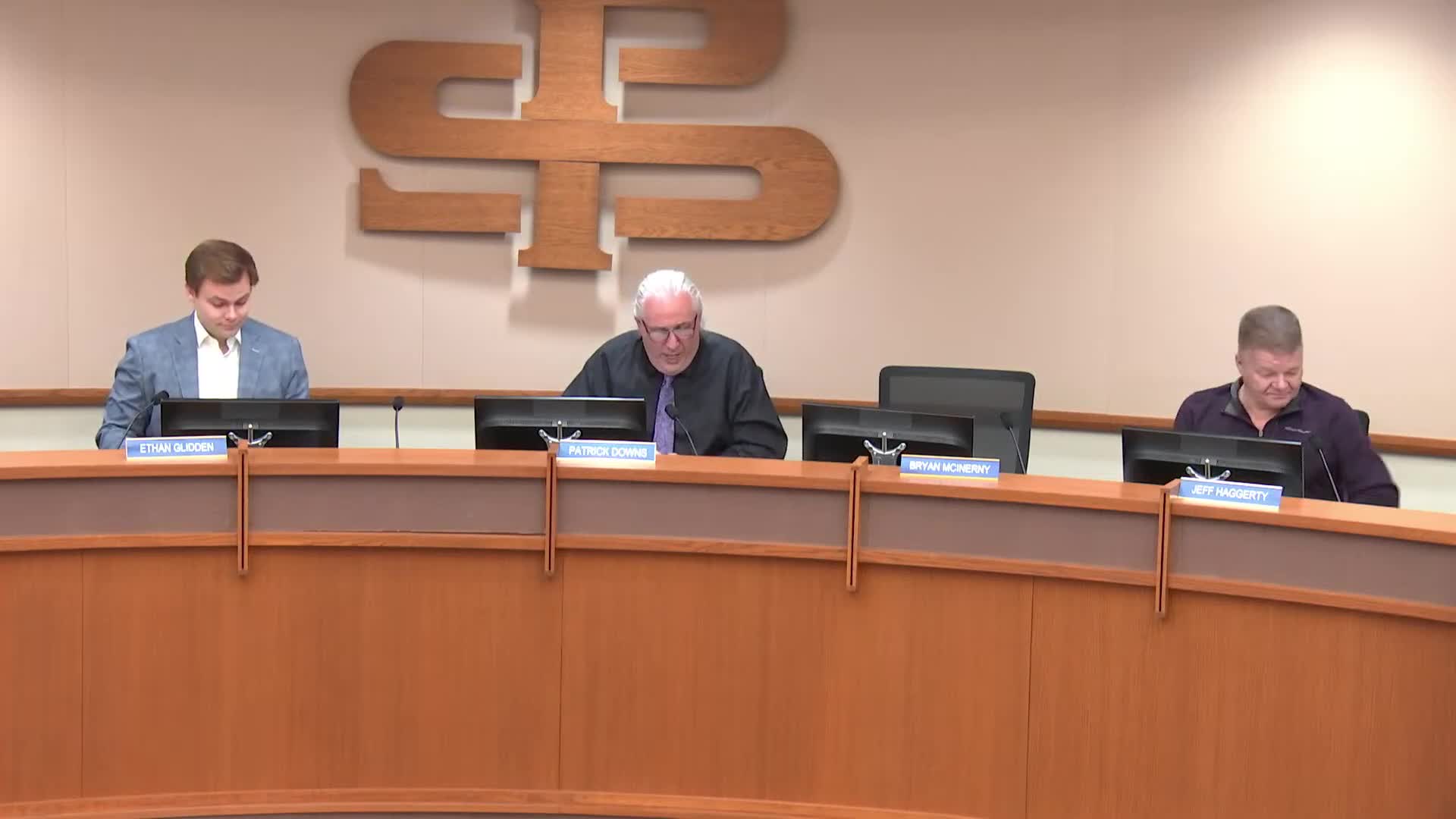
Summary
Staff proposed revising the subdivision ordinance to resolve procedural inconsistencies, move key reviews to the preliminary‑plat stage and align engineering standards with the subdivision code; commissioners agreed to consider the changes at upcoming meetings.
At the Nov. 10 meeting staff introduced a planned revision of the City’s subdivision ordinance aimed at moving more procedural review to the preliminary‑plat stage, clarifying bifurcated rules now split between zoning and subdivision chapters, and aligning engineering and road/utility standards with modern practice.
Planner Nate Sparks said the current code contains legacy procedures that leave too much for final‑plat review; he proposed that the substantive public hearing and procedural checks occur at preliminary plat so that final plat approval is largely ministerial once conditions are met. Sparks said inconsistent cross‑references between zoning and subdivision chapters have created confusion for surveyors and applicants and that aligning standards would reduce administrative calls and legal risk.
Commissioners discussed notice and hearing timing, the need to synchronize subdivision language with engineering standards, and the potential implications for development agreements. Sparks also flagged a related zoning review of the B‑2 district and an issue raised in the meeting about assembly uses and federal protections (RLUIPA), noting the city should be careful with definitions of assembly uses so it does not run afoul of religious‑use protections.
Sparks said staff plans to prepare draft ordinance language and to either present it at a scheduled meeting or at an off‑month hearing if timing and applications require. Commissioners were supportive of advancing the work and asked staff to coordinate with the city attorney and administrator while drafting specific text and notice procedures.