
Councilors ask for feasibility study on proposed 80‑unit workforce housing at Stiles Way
Get AI-powered insights, summaries, and transcripts
Subscribe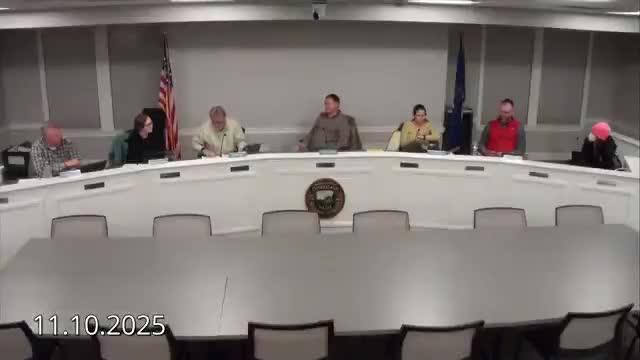
Summary
Councilor Bob proposed an 80‑unit town‑owned workforce housing project on Stiles Way and requested a housing‑committee analysis; councilors expressed concern about site suitability, comp‑plan alignment and staffing costs and asked staff/volunteers to produce a financial analysis.
Councilor Bob presented a proposal for town‑owned workforce housing on Stiles Way and asked the council to authorize a feasibility and financial analysis. He characterized the plan as a phased build‑out of roughly 80 units, funded through a mix of bonds, TIF revenues and rental income, and recommended a town‑led housing committee or expanded committee to examine viability.
“...this is strictly a financial analysis to see if this is a viable model,” Bob said, describing a phased approach intended to get the first building producing revenue before subsequent phases.
Several members raised objections to the proposed Stiles Way location, citing nearby municipal uses, the rail line, and proximity to a mulch/brush processing area. One councilor characterized the site as inappropriate for housing and emphasized land‑banking for potential future school sites and other capital needs.
The council did not approve construction or funding. Instead members favored a targeted analysis: staff and volunteers should evaluate water/sewer availability, capital requirements, possible funding sources (including TIF rules), and comp‑plan consistency. Multiple councilors asked that the analysis wait for outcomes of the comprehensive plan process and for legislative clarity about LD 1829 before large expenditures are proposed.
A volunteer working group or reconstituted housing committee was offered as the preferred vehicle to assemble the initial financial models so town staff resources are not overcommitted.
Next steps: staff and/or a volunteer committee will return with a financial viability report and recommended parameters for the council to consider.