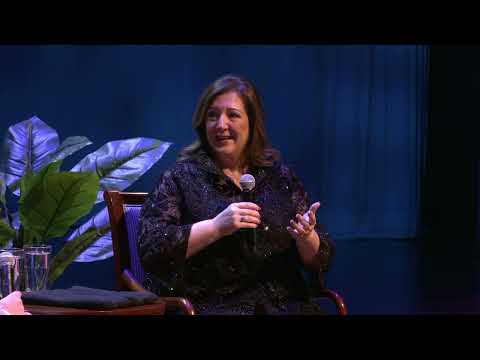
Carmel mayor underscores arts, parks and development while warning of state funding cuts
Loading...
Summary
At the Palladium, Mayor Sue Vinkum used Carmel’s 2025 State of the City address to highlight arts and parks investments, large downtown and trail projects, new resident services and a $100 million bond — and warned that the state’s SEA 1 could strip millions from city budgets.
Mayor Sue Vinkum told a packed Palladium audience that Carmel’s identity as an arts‑forward, livable city is paying dividends economically and culturally, but she also warned that state budget changes could force difficult choices ahead.
Speaking at the Allied Solutions Center for the Performing Arts during the city’s annual State of the City address, Vinkum said Carmel’s arts campus generates “nearly $23,000,000 per year in economic impact,” and she credited residents, volunteers and city staff for winning national recognition, including high rankings from U.S. News & World Report and WalletHub.
The mayor framed the administration around three priorities — inspiring livability, innovating for impact and investing in people — and detailed recent and planned projects that illustrate those pillars. She highlighted new community‑driven festivals (Cherry Blossom Festival, Eid Fest and Dia de la Familia), public‑art installations, and a new public art story map to help residents and visitors locate sculptures and murals.
On infrastructure and parks, Vinkum reiterated that last year’s $100,000,000 bond continues to fund road, public‑safety and park improvements. She described the recently completed Burr Oak Bridge, an $11,000,000 project intended to increase access to the White River and link regional trail networks, and praised the parks department’s inclusive additions such as a new Monon Station indoor playground presented by Carmel Clay Parks and Recreation.
The address also showcased how local facilities draw national attention: Carmel High School’s natatorium hosted a World Aquatics World Swimming Cup event that the mayor said involved about 500 competitors and roughly 9,000 attendees, producing substantial hotel and restaurant activity.
On economic development, Vinkum said downtown office vacancy is low and pointed to several large projects under way. She described the Monon Square North mixed‑use development (residential units plus about 21,000 square feet of office and retail) and previewed a long‑range Gramercy redevelopment the mayor estimated at about $300,000,000 and planned to deliver ~1,000 residential units over a decade.
The mayor detailed recent grant awards for transportation improvements — a $1,200,000 state community crossings grant and about $980,000 in Federal Highway Safety Improvement Program funds — noting those dollars will support corridor and pedestrian upgrades including Main Street and crosswalks on Rangeline Road.
Vinkum also announced civic service upgrades: the city has launched a Carmel 311 program and app to let residents report potholes, damaged sidewalks, or other issues with photos and real‑time tracking. She said the city was selected for the Bloomberg Harvard City Leadership Initiative to apply data‑driven approaches to recruiting and retaining police and fire personnel.
Addressing the fiscal outlook, the mayor warned that a state bill now enacted as Senate Enrolled Act 1 (referred to in the speech as SEA 1) posed a major fiscal risk. Vinkum said early iterations of the legislation would have cut Carmel’s funding by about $24,000,000 in the coming year and larger amounts in subsequent years; she described ongoing outreach to legislators to seek adjustments and said the city will need to pursue service innovations to manage future budgets.
Vinkum closed by honoring community service and philanthropy — recognizing retiring utilities director John Duffy and noting a $5,000 Heroes Club donation to the city safe house and support for the police canine program — and by previewing city‑wide events for Carmel’s 50th anniversary as an incorporated city in 2026.
The address included appearances and remarks from Jeff McDermott of the Palladium, Jack Russell of the One Zone Chamber of Commerce, parks director Michael Klitzing and others. The mayor concluded by thanking staff and residents and noting the city and neighboring jurisdictions raised more than $50,000 in one week to fight hunger.
Next steps: the mayor said city leaders will continue budget planning and legislative outreach in the months ahead as they finalize the 2026 budget and pursue infrastructure and development projects.