Long Beach OKs split study of Belmont Shore late-night safety after months of complaints
Loading...
Summary
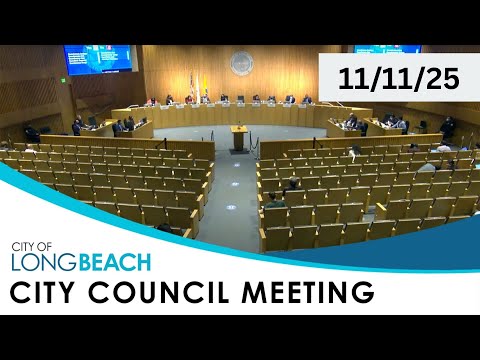
The Long Beach City Council on Nov. 11 approved a two-track response to late-night violence and nuisance activity in Belmont Shore: a 45-day, district-focused feasibility report and a 90-day citywide hot-spot study, after months of resident complaints and more than 20 public speakers.
The Long Beach City Council on Nov. 11 approved a two-part approach to address late-night public-safety problems in Belmont Shore, directing city staff to return in 45 days with a district-specific feasibility and cost analysis and a broader citywide hot-spot study in 90 days.
Councilmember Christina Duggan introduced the item after residents described repeated late-night disturbances, open containers and a string of violent incidents on 2nd Street. Duggan said she initially sought a temporary one-year moratorium but amended the proposal after talks with business owners. "The bar owners and operators have voluntarily close[d] at midnight for 30 days while we work together, residents, businesses, and city staff to develop permanent operating requirements," she said during the meeting.
The compromise reflected two parallel tracks: a fast-turnaround, district-focused report to identify immediate steps for Belmont Shore — including feasibility and costs for reestablishing LBPD walking beats, reactivating a police substation, and implementing targeted DUI and nuisance enforcement — and a data-driven citywide analysis of high-need public-safety hot spots and deployment strategies.
Police Chief noted the department—s response capabilities and trends while answering council questions: "Our murders are down nearly 30% citywide. Our shootings are down 35% citywide," he said, while acknowledging late-night hours clustered around the recent incidents. He also described an instance when detectives identified and apprehended suspects within 24 hours after a recent homicide.
Public testimony ran more than 20 speakers. Residents described alarmingly close incidents and called for stricter controls; business owners and the Belmont Shore Business Association supported targeted enforcement and more police presence but warned that blunt moratoria could damage downtown-style small businesses. Health-policy speakers argued for a public-health approach, saying research shows later closing hours correlate with higher violence.
The council asked staff to examine options that are enforceable and transferable, including staggered closing times, enhanced security requirements for establishments, information-sharing among operators, and training or operational conditions similar to downtown standards. Director of Community Development said many Belmont Shore establishments hold longstanding land-use rights that predate modern conditional-use permitting, which will shape what the city can require administratively.
The council approved the combined plan by voice vote. Mayor Rex Richardson framed the result as preserving the corridor's economic vitality while restoring residential peace: "The idea is to create long-term solutions, not temporary ones," he said.
Next steps: staff will return in about 45 days with a report focused on Belmont Shore feasibility and costs; the council also expects a separate 90-day citywide hot-spot analysis with options for equitable deployment of walking beats, substations, nuisance enforcement and other tools.