
Council weighs H Barn restoration design, fundraising and a proposed $2 million lodging-tax allocation
Get AI-powered insights, summaries, and transcripts
Subscribe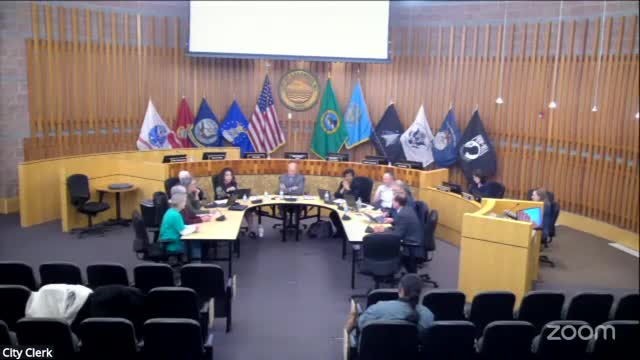
Summary
Partners for Parks requested continued design work for the H Barn restoration and described fundraising challenges; the Lodging Tax Committee recommended $2 million in capital support, and council discussed phasing, donor contingencies, and the value of reaching higher design milestones to unlock pledged funds.
Partners for Parks gave a detailed update on the H Barn restoration project at Monday's Lakewood City Council study session, and councilmembers debated scope, phasing and funding as the city considers lodging-tax support.
City staff and Partners for Parks summarized options after a 30% design study: restore the barn's historic exterior while modernizing interior utility, or pursue a more utilitarian renovation to reduce cost. "We don't have to be 100% restoration, but capture the essence of the H Barn," a Partners for Parks representative said, adding that a completed design would strengthen fundraising.
Partners for Parks reported roughly $2.7'$2.8 million already raised toward design and said that larger donors often withhold final payments until the project reaches specific design milestones. Councilmembers said completing more advanced design stages would improve the project's competitiveness for state capital-heritage grants, federal appropriations and other donor commitments.
Deputy City Manager Todd Krause told council the Lodging Tax Committee recommended a $2,000,000 capital allocation to the H Barn project as part of the 2026 lodging-tax recommendations (the LTAC package also includes a McGavick Center payment of roughly $101,850). Krause clarified that lodging-tax capital allocations are reimbursement-based and that capital funds can be carried forward if not spent in 2026.
Council debate focused on whether to proceed immediately with further design work (moving toward 60% and beyond) or wait for incoming staff and elected officials (the council was told a new parks director and two new council members will arrive in the next weeks). Several members supported continuing design in parallel with fundraising and seeking federal/state requests, with periodic council touchpoints (for example, at the 60% design milestone).
Cost estimates mentioned in the discussion ranged from prior estimates of roughly $7.5 million to a $14 million full-project number; Partners for Parks and staff said that additional fundraising and federal/state requests could reduce the city's share. No binding council commitment or appropriation was made at the Nov. 10 meeting; staff and Partners for Parks agreed to continue design work with additional checkpoints for council review.