
Fountain Valley council votes 3-2 to put charter measure on Nov. 2026 ballot after months of debate
Get AI-powered insights, summaries, and transcripts
Sign Up Free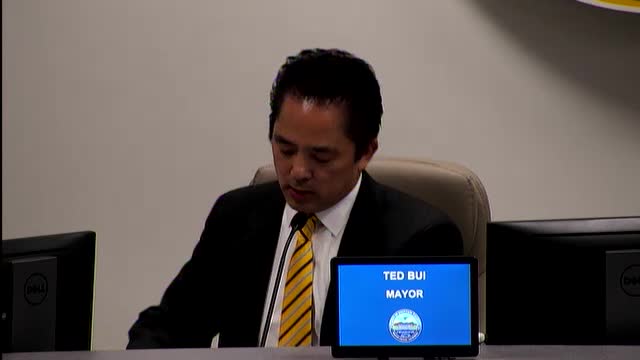
Summary
After months of study sessions and two town halls, the City Council voted 3-2 to place a simplified charter measure on the Nov. 2026 ballot. Supporters said voters should decide whether the city should gain home-rule authority; opponents warned of litigation costs and governance risks.
The Fountain Valley City Council voted 3-2 on Nov. 4 to place a proposed city charter on the November 2026 ballot, directing staff to use a simplified draft and hold the required public hearings. The council—s action follows months of study sessions, two town-hall meetings and intense public comment both for and against.
The city attorney, Kullenberg, told the council the move would give Fountain Valley an additional legal avenue to make "municipal affairs" decisions locally if those areas can be shown to be local in nature. "There are two types of cities in California," he said in his presentation, describing benefits such as greater local control over contracting and local election methods, while also warning of potential legal exposure and litigation costs tied to housing and state funding rules.
Supporters who spoke during the extended public hearing argued a charter would let residents shape procurement, contracting and local housing rules tailored to Fountain Valley. Michael Nisco, a Currents resident and longtime local, said residents should be allowed to vote. "We are not Huntington Beach,—" he told the council, urging that voters be given the choice.
Opponents focused on expense and uncertainty. Several residents cited litigation and fiscal risks experienced by other charter proponents, including Huntington Beach, and urged the council not to spend staff time and public money without a concrete, costed plan. One frequent theme: the city lacks a full cost-benefit analysis on staff and soft costs associated with ballot outreach and potential legal defense.
Council debate reflected that split. Supporters described the charter as an extra tool for local control — not an immediate policy change — and argued voters should be allowed to decide. Critics said the council is not ready to move without a more detailed implementation plan and safeguards to prevent unintended changes to wage, procurement, or compensation rules.
The motion to place the simplified charter on the ballot passed 3-2. The council directed staff to proceed with drafting options and to hold the public hearings required by law. Under both methods the city attorney outlined, a charter cannot be adopted without voter approval.
What happens next: City staff will prepare outreach materials and the draft language for the charter (as the council directed) and hold the hearings the council specified before finalizing ballot materials. The measure, if placed on the ballot by the city, would still require majority voter approval to become law.