Get Full Government Meeting Transcripts, Videos, & Alerts Forever!
Get email alerts on the Building Codes topic
No spam. Unsubscribe anytime.
Cupertino council gives first reading to adopt 2025 state building codes, asks staff to study an appeals board and interpretive authority
Summary
Council held a first reading to adopt the 2025 California building standards (Title 24) and approved the staff recommendation with a clerical correction to EV tiering; council directed staff to study adding an appeals board and interpretive authority and return with recommendations. Vote was unanimous.
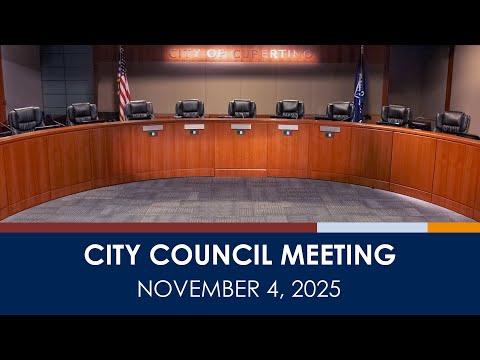
At its Nov. 4 meeting, the Cupertino City Council conducted the first reading of an ordinance to adopt the 2025 California Building Standards Code (Title 24) and approved accompanying local amendments with a clerical correction to an EV tiering section.
Sean Hatch, Cupertino building official, told the council that state law requires cities to adopt the updated Title 24 cycle and that Cupertino’s proposed local amendments largely carry over from previous code cycles but include updates to the wildland‑urban interface (WUI), fire, energy and green building chapters. He said the new codes were published July 1 and will take effect Jan. 1, 2026, and noted a clerical error in the draft that incorrectly applied a voluntary Tier 2 requirement to hotels and multifamily projects; staff proposed correcting that so Tier 2 applies only to single‑family homes and townhomes.
Council members and public speakers raised concerns about the speed of the process, the affordability impact on homeowners (particularly seniors and fixed‑income residents) and whether the item should have had additional study sessions or planning commission review. Jennifer Griffin and others questioned whether Assembly Bill 130 (AB 130) — discussed during the hearing — limits local authority and public review. Staff and the city attorney said AB 130 contains a provision that restricts new local amendments affecting residential construction for the next code cycles; staff clarified the code adoption before the council complies with that provision and that the council could not add new, more‑restrictive local residential amendments until the statutory freeze expires (the transcript referenced 2031/06/01 as the date in question).
Fire officials and staff provided cost context for wildfire‑related home‑hardening measures. The Santa Clara County fire chief referenced third‑party studies that estimate incremental costs for baseline and enhanced home‑hardening measures (examples given in the hearing included incremental amounts in the low thousands to tens of thousands of dollars depending on scope), a point raised by residents concerned about retrofitting costs and potential triggers for sprinkler or roofing requirements during remodels.
Vice Mayor Moore moved to adopt the staff recommendation with the correction to the EV tiering section, and directed staff to review and return with an analysis of adding an appeals board and interpretive authority language; the motion passed on a unanimous roll call vote.
Why it matters: Adopting Title 24 updates keeps Cupertino in compliance with state building regulations and establishes new baseline standards that will affect permitting, remodel triggers and future local policy options. The council’s direction to study appeals and interpretive language reflects concern about preserving local procedural discretion and reducing unintended cost burdens on residents.
What comes next: The council will receive a second reading Nov. 18 and staff will return with the requested analysis on an appeals board and interpretive authority language for further deliberation.