Get Full Government Meeting Transcripts, Videos, & Alerts Forever!
Get email alerts on the Capital Projects topic
No spam. Unsubscribe anytime.
City and county present four options for indoor recreation and aquatics facility; hospital partnership remains unresolved
Summary
Parks staff presented four siting concepts for a new indoor recreation and aquatics complex — split at Millennium Park with a hospital wellness center partner, split with off-site rec, single large fairgrounds facility with or without partner — and discussed cost ranges, infrastructure constraints and timelines.
County and city parks staff presented four siting and program options for a potential indoor recreation and aquatics complex and urged elected officials to weigh costs, utilities and partnership models before committing to construction.
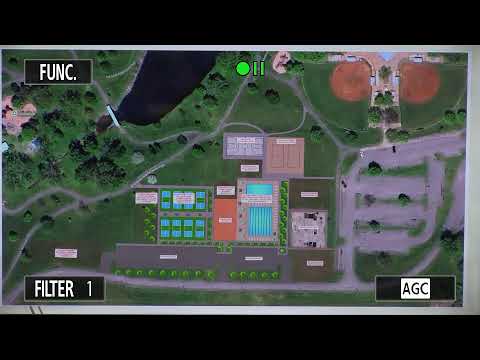
The options presented were: (1) a split model placing aquatics, pickleball and park headquarters at Millennium Park while the hospital builds a wellness center; (2) a split model with Millennium Park plus a to-be-determined off-site rec center; (3) a single, partner-operated multi-purpose facility at the fairgrounds; and (4) a single fairgrounds facility developed without a partner. Presenters said both the split and single-site concepts could meet program needs but differ in cost, complexity and timeline.
Cost and timeline: presenters gave rough estimates, noting major assumptions. The wellness-center portion (hospital) was estimated at about $10 million as a planning assumption, the fairgrounds single-site concept was estimated near $35 million (with hopes a partner would cover roughly half), and staff referenced a $50 million figure tied to a Millennium Park scenario with an undefined off-site component. Presenters cautioned these numbers are estimates based on consultant work, inflation assumptions and potential utility/site work.
Site constraints: the fairgrounds option faces significant infrastructure hurdles, including the lack of sanitary sewer (current buildings are on septic). Speaker 3 said extending sewer across the bypass would substantially increase cost and add time; presenters estimated that preparing the fairgrounds site could delay the project by roughly a year compared with a Millennium Park build because of that site work.
Partnership uncertainty: staff emphasized the concept depends heavily on whether the hospital chooses to partner and invest in a wellness center component. "That’s a huge assumption," a presenter said, noting the hospital’s decision is "really in their court." Presenters asked elected officials to direct staff to further refine cost estimates and to confirm what the hospital will commit before a final site decision.
Community trade-offs: presenters acknowledged the fairgrounds approach could create a regional hub with consolidated programming but would likely require complicated ownership and operational agreements because the county does not currently own the fairgrounds outright. The Millennium Park split option was described as more fiscally prudent and easier to implement but would consume some green space and require careful design to preserve the park experience.
Next steps: staff recommended working with the county architect to develop refined estimates and coverage/lighting costs for proposed courts, and discussing ownership/transfer options for White's Park and fairgrounds parcels; county counsel was asked to review any deed or grant restrictions tied to land-and-water funding.
No final site selection was recorded in the provided transcript; officials approved a separate motion to proceed with planning for pickleball courts at Millennium Park and asked staff to return with refined estimates and legal analyses.