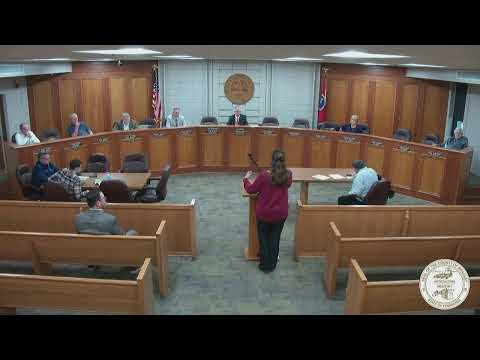
Finance committee recommends expanded opioid-abatement allocations to nonprofits
Loading...
Summary
Committee voted to recommend to the full commission a larger opioid-abatement distribution (committee discussion recorded as approximately $330,000 total) with specified allocations to Bradley Prevention Coalition, Caring Place, Foundation House and other local nonprofits; four organizations were asked to resubmit spending plans.
The Bradley County finance committee recommended that the full commission approve an expanded round of opioid-abatement funding and approved a formal recommendation to that effect at its Nov. 1 meeting.
Mayor told the committee the county had more funds than previously thought and suggested increasing the opioid-abatement allocation above the earlier $200,000 plan; the committee recorded the expanded total in committee materials as approximately $330,000. The mayor offered a recommended distribution and committee members debated priorities and caveats, particularly whether awards should fund salaries or only direct programming.
The mayor proposed baseline amounts (committee shorthand and packet text): ATS (The Bridge) $30,000; Boys & Girls Club $10,000; Bradley Prevention Coalition (full funding) $160,000; Cleveland Emergency Shelter $30,000; Foundation House $35,000; Caring Place $45,000; Willow Bend Farms $20,000. Committee members raised concerns about funding salary lines and asked four organizations to resubmit how they would spend the reduced amounts so the county can meet reporting requirements.
Nonprofit representatives described program models and reporting practices. A Caring Place/nonprofit speaker explained that program staff often are counted as "programming" (case managers) and that salaries can be allowable if the position is dedicated to the opioid program, clarifying how reporting and allowable uses are documented.
The committee moved to recommend these allocations to the full commission with caveats: (1) organizations should resubmit budgets for the reduced awards, (2) the county will track program-based reporting, and (3) staff will present a year-end report to inform subsequent allocations. The recommendation passed the finance committee by unanimous vote and will go to the full commission tonight.