Get Full Government Meeting Transcripts, Videos, & Alerts Forever!
Get email alerts on the SNAP WIC And Food Security topic
No spam. Unsubscribe anytime.
Minnesota sues USDA as food‑security advocates and families warn of immediate harm from SNAP and WIC interruptions
Summary
Attorney General Keith Ellison led a 26‑state lawsuit challenging USDA’s suspension of SNAP funding as advocates, food‑shelf leaders and SNAP/WIC participants described immediate impacts to children, seniors and food banks; Ellison said a court hearing was underway to restore benefits to plaintiff states.
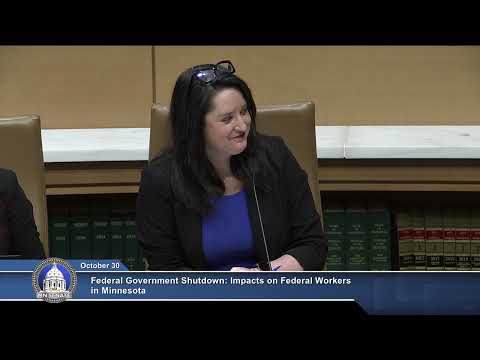
Minnesota’s attorney general and dozens of witnesses told a Senate subcommittee that the federal shutdown’s interruption of SNAP and the risk to WIC and related programs present immediate harm to families and local economies.
"I co‑led a coalition of 26 states to file a lawsuit against the United States Department of Agriculture for unlawfully suspending the supplemental nutrition program food stamps," Attorney General Keith Ellison told the committee. He said the coalition argued USDA had access to roughly $6 billion in emergency contingency funds appropriated for this purpose and that suspending SNAP was "arbitrary and capricious" under the Administrative Procedure Act.
Ellison said as of the hearing his team was seeking a temporary restraining order and that, if successful, relief would initially flow only to plaintiff states. "If dollars for SNAP start flowing in Minnesota during the shutdown, it will only be because we sued to keep Minnesotans from going hungry," he said.
Advocates and users described immediate hardship. Alexandra Fitzsimmons, senior policy director at Children’s Defense Fund Minnesota, testified WIC serves about 101,000 Minnesotans monthly and that interruption would reduce access to infant formula, breastfeeding supports and nutrition education, increasing risks to maternal and infant health. "Losing WIC supports would jeopardize the health, development and dignity of many children and families in Minnesota," she said.
Personal testimony underscored the stakes. Rory, a solo parent and SNAP recipient, described surviving a brain aneurysm and relying on food shelves and SNAP for medically appropriate food. "SNAP is what makes it even more possible," Mary, a Minnetonka SNAP recipient who needs higher‑protein foods for a child on growth hormone treatment, told the committee.
Food‑shelf operators said they are already strained. Carrie Thompson, president and CEO of VEAP, said the organization has seen a 140% increase in people served over three years and a 50% reduction in emergency food assistance product this year; a $4 million state emergency grant will not meet projected need if SNAP lapses.
County economic‑support staff urged clearer federal guidance to reduce misinformation that is overloading local offices. Kenneth Garnier, an AFSCME county worker, said staff are inundated with calls and in‑person visits and that uncertainty and misinformation increase emotional labor and processing burdens.
Lawmakers urged federal action; the committee emphasized continued oversight and outreach to local partners while the legal challenge proceeds.
If the court orders USDA to restore funds, Ellison said states expect the administration to comply and that, historically, appropriation‑related court orders have been enforced. But he warned that any relief granted to plaintiff states would not automatically help residents in states that did not join the lawsuit.
The subcommittee did not vote on new legislation; members said they would continue monitoring litigation and coordinating with state agencies and community partners.