Get Full Government Meeting Transcripts, Videos, & Alerts Forever!
Get email alerts on the Ksd Budget topic
No spam. Unsubscribe anytime.
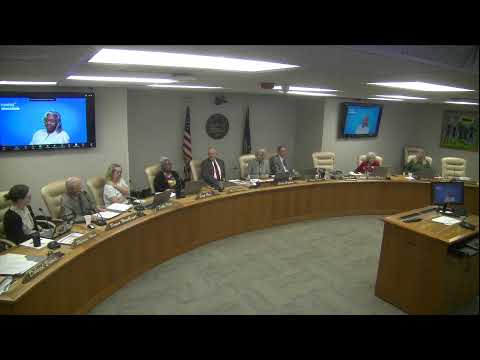
Board approves higher out‑of‑state tuition for Kansas School for the Deaf after hearing outreach and budget needs
Summary
After a detailed presentation from the Kansas School for the Deaf on outreach, staffing vacancies and capital needs, the board approved increases to out‑of‑state tuition for KSD and the School for the Blind and heard updates on KNEA negotiations and potential legislative funding.
The Kansas State Board of Education voted to increase out‑of‑state tuition rates for the Kansas School for the Deaf (KSD) and the Kansas State School for the Blind for the 2026–27 school year.
Board member Debbie moved approval of the proposed increases: day services from $40,000 to $50,000 per student and dormitory services from $20,000 to $25,000 per student. The motion was seconded and the board recorded an 8‑0 tally in favor; one member had been briefly disconnected but later rejoined.
The vote followed a substantive presentation by Superintendent Lou Anne Barron on KSD operations, funding and program work. Barron described KSD's unique budgeting model (a single line‑item appropriation from the legislature) and gave the most recent state allocation figure, stating that "our state general fund allocation was 12,578,844," with about 83% directed to instruction. She outlined FY27 requests to restore a roughly $94,800 cut to the language-assessment program, to make three newly funded classroom positions permanent, and to add an ASL proficiency incentive and modest supplemental contract pay increases. Barron also outlined an SIBF capital ask of approximately $5,000,000 for roof repairs and other campus projects.
Barron also described outreach and service reach: KSD reported outreach in approximately 61% of Kansas counties and more than 700 distinct services provided through consultant, assessment, language‑assessment and assistive‑technology programming. She said the KSD language assessment effort has found that 91% of assessed children were not meeting language milestones and that KSD is collaborating with Vanderbilt and Sacramento State on research to pinpoint gaps and interventions.
On staffing and negotiations, board counsel and negotiation staff updated the board on collective‑bargaining talks with KNEA: FY25 salary and benefit base for KSD was presented (~$4.86 million), with an FY26 increase of approximately $785,445 already requested/approved in the budget process and a supplemental ask of $170,598 needed to reach the bargaining union's full request; this package remains contingent on legislative appropriation. Superintendent Barron warned the board that if the legislature approves supplemental funding retroactively the district may need to adjust the current school calendar to make pay timelines align.
Why it matters: The tuition increases change what out‑of‑state districts pay to send students to state special schools, and the KSD requests and research findings highlight capacity, curriculum and access issues for deaf and hard‑of‑hearing students across Kansas.