Get Full Government Meeting Transcripts, Videos, & Alerts Forever!
Get email alerts on the Literacy topic
No spam. Unsubscribe anytime.
Kansas board backs small voluntary summer literacy pilot and asks higher education to help scale a statewide plan
Summary
The Kansas State Board of Education affirmed a voluntary, small-scale three-year summer intervention pilot targeted at high‑risk early-grade readers and asked higher‑education partners to help design research and practicum supports to link short-term gains to sustained in‑year instruction.
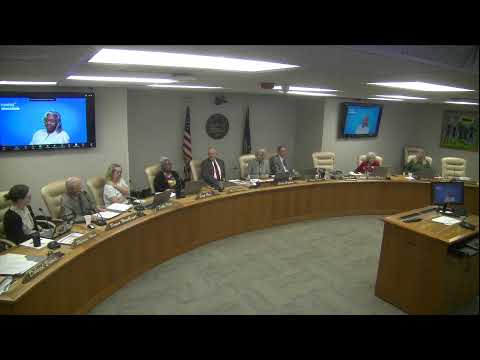
The State Board of Education on a presentation-heavy agenda on literacy endorsed a proposal to launch a small, voluntary summer literacy pilot aimed at young students identified as high risk on screeners.
Commissioner Watson, who presented the FastBridge screener trends, said the state sees an ongoing cohort of students who enter kindergarten or first grade as high risk. "So we're hyper focused this morning on literacy," Watson said, describing fall/winter/spring screening and noting that 48% of kindergarten entrants attended district pre‑K, which limits statewide screening coverage.
Board members pressed for disaggregated data (by poverty, race, English‑language‑learner status and by district size) before broad deployment. Several members raised family engagement and 'summer slide' concerns as possible drivers of the gap between kindergarten exit and first‑grade entry scores.
Doctor Lane, speaking for higher education partners, framed the pilot as one element of a larger, pre‑K through higher‑education strategy. "The main thing is the main thing, helping teachers so that every child learns to read," she told the board, urging a plan that pairs intervention with stronger preservice practicum experiences and just‑in‑time coaching for teachers.
The board described the pilot as small and voluntary for year one (Commissioner Watson suggested roughly eight volunteer schools statewide), with independent research and higher‑education faculty embedded in classrooms to both coach teachers and evaluate short‑ and longer‑term outcomes. If the research shows short‑term gains that persist, the board said it would scale in subsequent years and seek legislative partnership for funding.
Next steps: staff will return to the board in November–December with pilot details, research questions and recommendations for how Kansas Board of Regents, the state board and higher education will coordinate roles and accountability.
Why it matters: The proposal seeks to combine short-term literacy intervention with teacher preparation and research, an approach the presenters and some board members argued could change instruction statewide if pilot results are durable beyond the summer months.