Get Full Government Meeting Transcripts, Videos, & Alerts Forever!
Get email alerts on the District Finance Audit topic
No spam. Unsubscribe anytime.
Oregon City board hears treasurer's financial snapshot; audit-method switch deferred
Summary
At the Aug. 12 Oregon City Board of Education meeting, the treasurer outlined early-year revenues and proposed switching to a cash-basis audit that "would save the district around $6,000 a year," but the board voted to defer a decision pending more discussion.
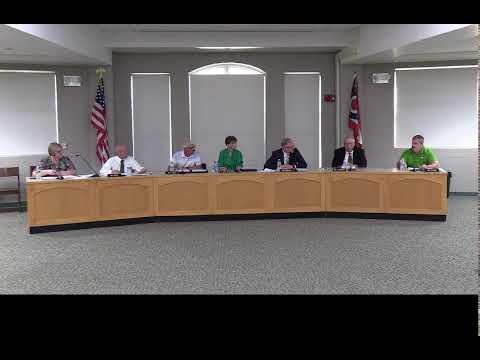
At its Aug. 12 meeting, the Oregon City Board of Education received a financial update from the district treasurer who said early state revenue timing and prepaid August salaries make early-month comparisons misleading and proposed changing the district's external audit method to cash-basis.
The treasurer said the district received more state funding earlier this year than last year and cautioned that August is a prepaid payroll month, so monthly comparisons will stabilize by September. The report noted a 19.28% year-over-year adjustment and that some prior-year technology and furniture purchases explain lower equipment costs this year.
On the audit question, the treasurer said the district could switch from its current GAAP-style audit to a cash-basis audit, "It would save the district around $6,000 a year doing this." He cautioned the change could prompt a finding of noncompliance for not filing GAAP and might negatively affect a future bond rating, but added the district could revert to GAAP later if required. The treasurer also said the change would forego the "auditor of state" award but considered the annual savings worthwhile for taxpayers.
Board members asked for more information and discussion before deciding. A motion to delay any decision on the audit method until staff returns with additional analysis was moved, seconded and approved by roll call.
The board also approved the minutes and the consent agenda, and accepted routine bills and financial items as part of the meeting's business.
Next steps: staff will provide additional analysis on risks, bond-rating implications and the trade-offs between annual savings and potential compliance findings before the board takes a formal vote on any audit-method change.