Get Full Government Meeting Transcripts, Videos, & Alerts Forever!
Get email alerts on the Public Participation topic
No spam. Unsubscribe anytime.
Granite County pauses sanction decision after months‑long dispute over Zoom camera rule
Summary
Commissioners defended a policy requiring Zoom public commenters to enable video and said repeated disruptions from one correspondent prompted a warning letter; public commenters called the rule a barrier, and the commission tabled any sanction decision for further consideration.
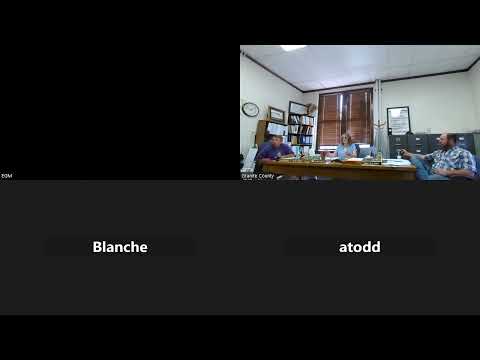
A heated exchange over remote participation rules dominated several public comments at the Granite County Commission meeting as residents objected to a policy that requires Zoom participants who wish to speak to have their camera and microphone on. Commissioners said the rule was adopted for transparency after repeated disruptive behavior by a regular remote commenter; the board declined to impose sanctions and tabled the item for further consideration.
"If you're going to be on Zoom, you have to be on video," the commission's stated policy opening reads, and several speakers said that requirement prevents elderly or mobility‑limited residents from participating. One public commenter said the rule "seems like barriers are being thrown up to the public to participate in this open meeting," referencing a quote from U.S. Supreme Court Justice John Paul Stevens about freedom of expression.
The dispute centered on frequent commenter Elena Gagliano, whom commissioners said repeatedly called in and interrupted meetings; staff described a letter asking her to stop what they characterized as harassment and warning of possible sanctions for persistent disruptive behavior. "Her remedy is bring litigation if you believe the policy is illegal or unconstitutional," a commissioner said during the meeting when responding to public criticism. Gagliano denied the commission's characterization and asked staff to identify the letters referenced.
Why it matters: the debate raises a routine but consequential balance between openness and orderly meeting conduct. Commissioners said the policy helps staff take accurate minutes and prevents interruptions during hearings; critics said mandating cameras disadvantages some participants and may chill public comment.
Outcome: the board agreed not to impose sanctions at this hearing and moved to table the matter for further discussion so staff can refine the template language and consider practical exceptions (for example, allowing audio‑only callers when camera equipment fails). The commission said it will revisit the rule and the complaint allegations at a future meeting.