Get Full Government Meeting Transcripts, Videos, & Alerts Forever!
Get email alerts on the Energy Infrastructure topic
No spam. Unsubscribe anytime.
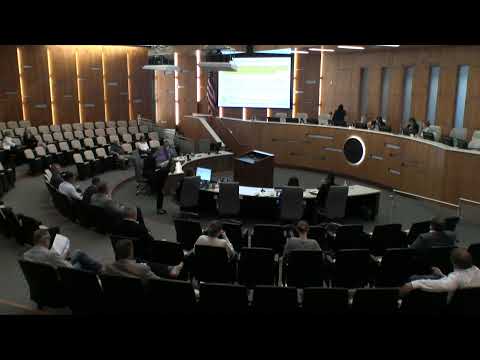
Adams County board pauses decision on Magellan (1Oak) pipeline, asks for stronger neighbor protections
Summary
After a multi‑hour hearing with extensive public comment, the Adams County Board of County Commissioners continued the conditional‑use permit for Magellan/1Oak’s pipeline (RCU2024‑46) to Sept. 30 so staff and the applicant can convert voluntary best practices into enforceable development‑agreement terms and continue landowner negotiations.
Adams County commissioners on Aug. 19 paused a decision on a proposed 10‑inch buried transportation fuel pipeline by Magellan Pipeline Company (now part of 1Oak), voting unanimously to continue the land‑use case to Sept. 30.
The proposal seeks a conditional use permit and development agreement for roughly 12 miles of pipeline that would carry aviation and renewable aviation fuels into Denver International Airport. County staff recommended approval with conditions, but the meeting drew hours of questioning from commissioners, a technical presentation by the applicant and extensive public comment from both supporters and property owners who say the route bisects their land.
County staff described the preferred alignment as the most direct route that avoids eagle‑nest buffers and minimizes impacts to unincorporated parcels; the plan would include a 30‑foot permanent easement and temporary construction easements. Staff also said the applicant had provided wildlife and cultural‑resource surveys and that federal and state permit reviews were in process. Planning staff noted that the county’s development agreement would require the applicant to record executed easements and deliver permits prior to site disturbance.
Mark Rolls, senior vice president of commercial development for 1Oak, told commissioners the full project would add 35,000 barrels per day of jet and sustainable aviation fuel to the Denver market in its first phase and that a 16‑inch trunk line upstream could support much larger volumes in future phases. Rolls and engineers emphasized construction and operations safeguards — 48‑inch minimum burial depth in many locations, 100% weld radiography, hydrostatic testing at 125–150% of maximum operating pressure, remote SCADA monitoring, inline inspection (“smart pigging”) at regulatory intervals and routine emergency‑response drills.
“Pipelines are the most efficient and safest way of moving fuels across the country,” Rolls said. “We are building for the future and we will operate to a high standard.” (Mark Rolls, 1Oak senior vice president)
But several landowners and lawyers warned the route would impair pending sales and planned developments, and attorneys asked for time to negotiate alternate alignments that they say would be less damaging. Speakers raised environmental concerns — groundwater and aquifer vulnerability, potential contamination risks and recent out‑of‑state enforcement actions referenced by opponents — and asked the board to require specific contractual protections before approval.
Commissioners pressed the applicant on alternatives that would use more Denver‑owned property adjacent to the airport, how the project would affect future commercial development near the alignment, what product grades would be allowed on the line and whether assurances for local hiring and enforceable safety commitments could be made. Staff and the applicant agreed there was work to do: converting voluntary best management practices into development‑agreement obligations, clarifying crossing and access language so future development (for example data centers) can arrange power and road crossings safely, and documenting the remaining land‑rights status.
The board motion to continue to Sept. 30 — approved unanimously — directs staff and the applicant to craft binding development‑agreement language addressing operational standards, monitoring, landowner crossing/access provisions and other terms requested by commissioners. The continuation also gives the county time to reconcile technical routing questions and to receive any further information the applicant or affected landowners provide.
Next steps: the hearing will reconvene Sept. 30 for the Board of County Commissioners to consider any amended development agreement, refined routing clarifications and any new documentation of landowner agreements. The case number is RCU2024‑46; the county’s staff report and applicant materials remain part of the public record.