Get Full Government Meeting Transcripts, Videos, & Alerts Forever!
Get email alerts on the Lookout Peak Trails topic
No spam. Unsubscribe anytime.
Ukiah council adopts IS/MND for Lookout Peak Trail project, authorizes negotiation for donated construction
Summary
City council adopted a CEQA initial study/mitigated negative declaration for the Lookout Peak Trail project and authorized the city manager to negotiate a donation of construction with the Ukiah Valley Trail Group after staff said the plan had been revised to address neighborhood concerns.
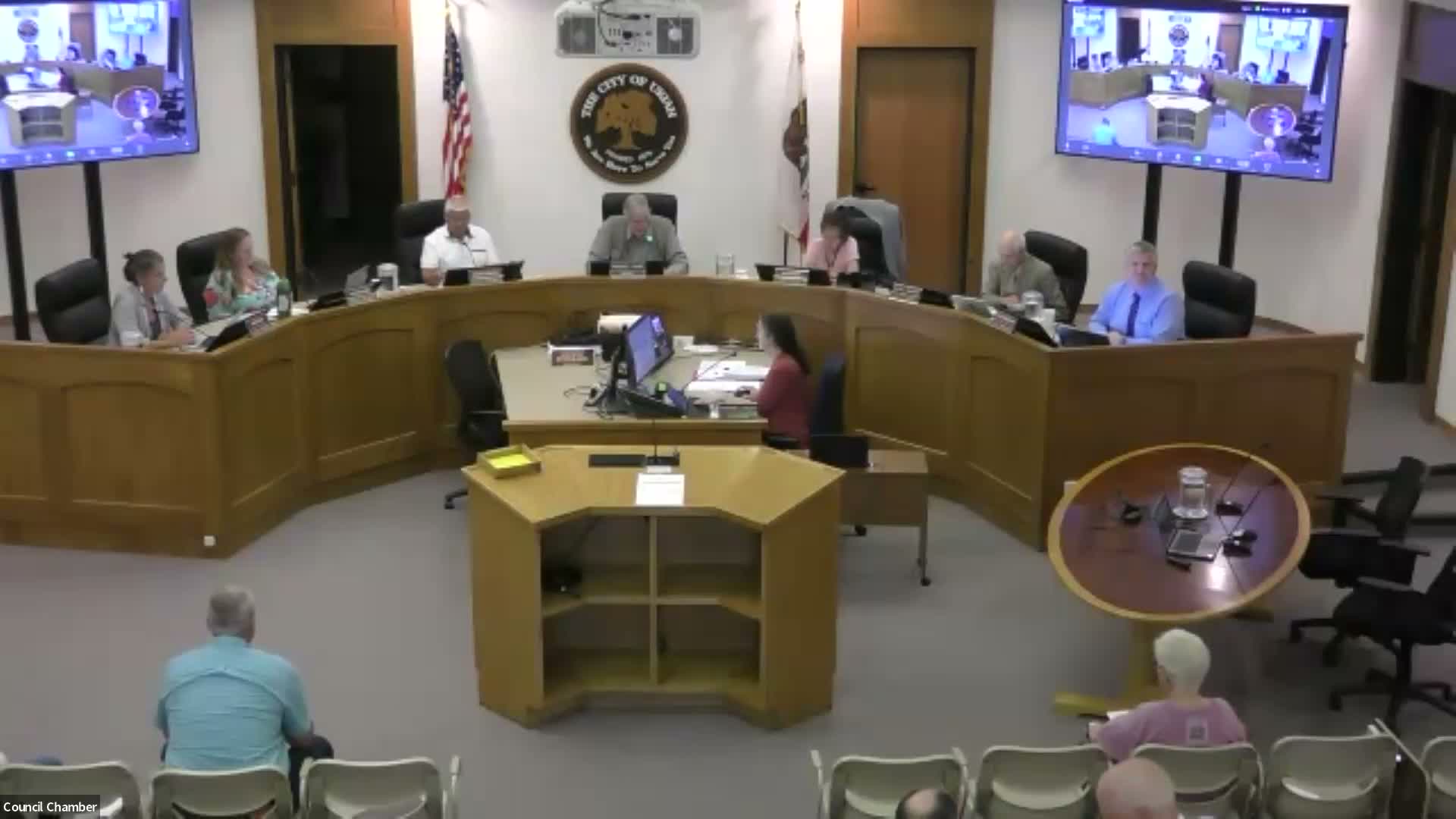
The Ukiah City Council voted unanimously to adopt the California Environmental Quality Act initial study and mitigated negative declaration (IS/MND) for the Lookout Peak Trail project and authorized the city manager to negotiate a donated construction agreement with the Ukiah Valley Trail Group.
Community Services Director Neil Davis told the council the project would create up to 22 miles of non-motorized, primarily shared-use trails in the Western Hills Watershed Protection Area and that the Ukiah Valley Trail Group would design, fund and build the trails. Davis said the trail group paid for the biological assessment that underlies the IS/MND and donated $50,000 toward a connecting property that enabled public access. “We had 68 comment letters submitted, 59 of those were letters in support,” Davis said, noting staff received nine letters of concern and that many concerns were addressed by narrowing the scope and adding mitigation measures.
Nearby residents who spoke at the public hearing raised concerns about parking, trespass, decreased privacy, erosion and wildfire risk. Kyle St. Pierre, representing a neighboring trust, urged the council not to accept the IS/MND, calling it “inadequate” and arguing that the document underestimated indirect residential impacts and relied on generic mitigations. Fred Conklin and other property owners said they had requested meetings with staff and warned of potential legal action if their issues were not resolved.
Davis said staff had responded to each comment individually, removed a proposed second trailhead, added a road and fire-break maintenance plan and incorporated “fire-hardened” trail design where appropriate. He also said the Ukiah Valley Fire Authority reviewed the plan and staff will consult with the authority on final trail alignments.
Supporters of the project, including Mike Cannon, president of the Ukiah Valley Trail Group, said the trail-building nonprofit expects most users to walk or bike from nearby neighborhoods and that trails typically increase nearby property values and encourage community stewardship. “When there’s people actually walking on the trails, people aren’t going to think to go up there and do a pot grow or for homeless people to come up there,” Cannon said.
After questions from council about surfacing, mountain-bike-only versus shared-use segments, trash and emergency access, Councilmembers moved and seconded two recommended actions: adoption of the IS/MND and authorization for the city manager to negotiate the donation agreement. Both measures passed on roll call.
The council directed staff to continue outreach with affected neighbors and county officials where appropriate and to monitor impacts as the project proceeds; staff said initial construction will focus on a first 4-mile loop with further work phased in over time. The council’s actions allow the city to begin required administrative steps and to finalize terms for the trail-group donation.
Next steps: staff will finalize contract documents and continue neighborhood outreach; construction sequencing and final trail alignments will be developed in consultation with the Ukiah Valley Fire Authority and the trail group.