Get Full Government Meeting Transcripts, Videos, & Alerts Forever!
Get email alerts on the Food Security topic
No spam. Unsubscribe anytime.
Second Harvest warns federal cuts will push more people to food banks; asks city to help
Summary
Second Harvest CEO told council a combination of federal cuts and stricter CalFresh eligibility will increase reliance on food banks; the presenter said the county food‑security network serves about 13,700 city residents monthly and outlined home delivery, school pantry expansion and partnerships as mitigation steps.
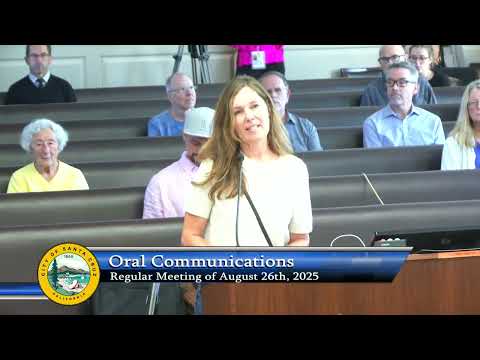
Bridal Padilla Chavez, CEO of Second Harvest Food Bank, briefed the City Council on food‑security pressures tied to recent federal program changes and outlined the food bank’s new five‑year strategic plan.
Padilla Chavez said staff are already seeing permanent reductions in federal emergency food program support and predicted more residents will turn to the food bank as eligibility for CalFresh tightens. She provided county figures: approximately 45,000 people are enrolled in CalFresh in the county, representing roughly $80 million in benefit flows, and the food bank’s most recent data show about 13,700 city residents benefited monthly through the local distribution network. “I need to figure out how to add another million dollars to my food budget,” Padilla Chavez told council members.
Her presentation listed short‑term pivots the food bank is pursuing: expanded home delivery for immigrant and agricultural workers, expanded school‑based pantries, tailored medically‑informed grocery packages through healthcare partnerships, and leveraging volunteers. Padilla Chavez also asked the community to help through three avenues: individual neighbor‑to‑neighbor food support, volunteering to pack and distribute, and financial donations (she said one dollar equals roughly three meals for the food bank).
Council members thanked the presenter and asked follow‑up questions about delivery and school partnerships. The presentation concluded with an invitation for council to continue elevating the issue as budget and policy choices at higher levels shift demand onto local nonprofits.
What happens next: council acknowledged the food bank’s needs and directed staff to maintain contact with Second Harvest as the city develops its community supports.