Get Full Government Meeting Transcripts, Videos, & Alerts Forever!
Get email alerts on the Opioid Council topic
No spam. Unsubscribe anytime.
Charleston council confirms members for new Opioid Community Council after public concerns
Summary
Council confirmed nine appointees to a newly created Opioid Community Council. A public commenter criticized the nomination list as lacking physicians and called the process nontransparent; the mayor and council defended the slate, noting clinicians and recovery peers are included.
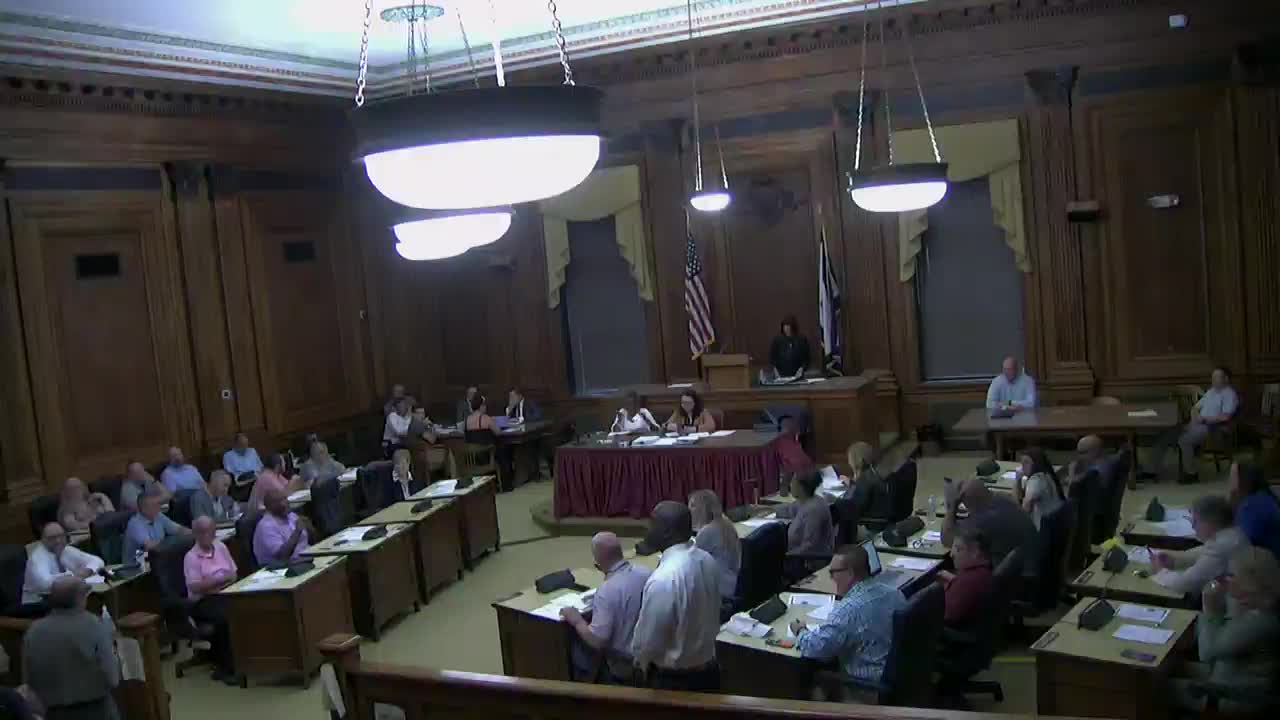
Charleston City Council confirmed appointments to a newly created Opioid Community Council on Aug. 4, approving a slate of nine nominees recommended under Resolution 25-063.
During public comment, Dr. Norman Malato criticized the nominations, saying, “There are no physicians in this nominating list, which in my opinion, is a massive oversight,” and called the nomination process nontransparent and potentially political. Malato urged council members to explain how nominees were chosen and whether there was community outreach.
Clerk read the recommended appointees: Matthew Sutton (chair, one-year term); Dr. Cynthia Persley (prevention professional, two-year term); Martha Carter (treatment professional, two-year term); Ashley McElwie (recovery professional, one-year term); Sarah Stone (long-term recovery, two-year term); Brian Lilly (one-year term); Emily Hannah (one-year term); William Thompson (two-year term); and Bill Woodrum (two-year term). A council member moved to adopt the recommendation; after brief discussion the council confirmed the appointments by voice vote.
After confirmation the mayor noted the slate includes “two nurses on there as well, a former United States attorney, and a really great list,” and thanked those who had reached out about nominations. The ordinance creating the council, referenced in the appointment materials, requires the panel to include at least one professional with experience in prevention, treatment and recovery and at least one person in long-term recovery.
Next steps: the newly confirmed members will be expected to organize under the terms described in Resolution 25-063; the transcript does not specify an initial meeting date or operating rules.