Get Full Government Meeting Transcripts, Videos, & Alerts Forever!
Get email alerts on the Public Defense topic
No spam. Unsubscribe anytime.
Interim public defender tells commissioners he's stabilizing office amid state standard concerns
Summary
Stan Myers, interim director of the Office of Public Defense, told commissioners he is reorganizing staff, addressing backlog cases and coordinating with courts; he warned upcoming state standards may significantly increase counties' staffing and budget obligations.
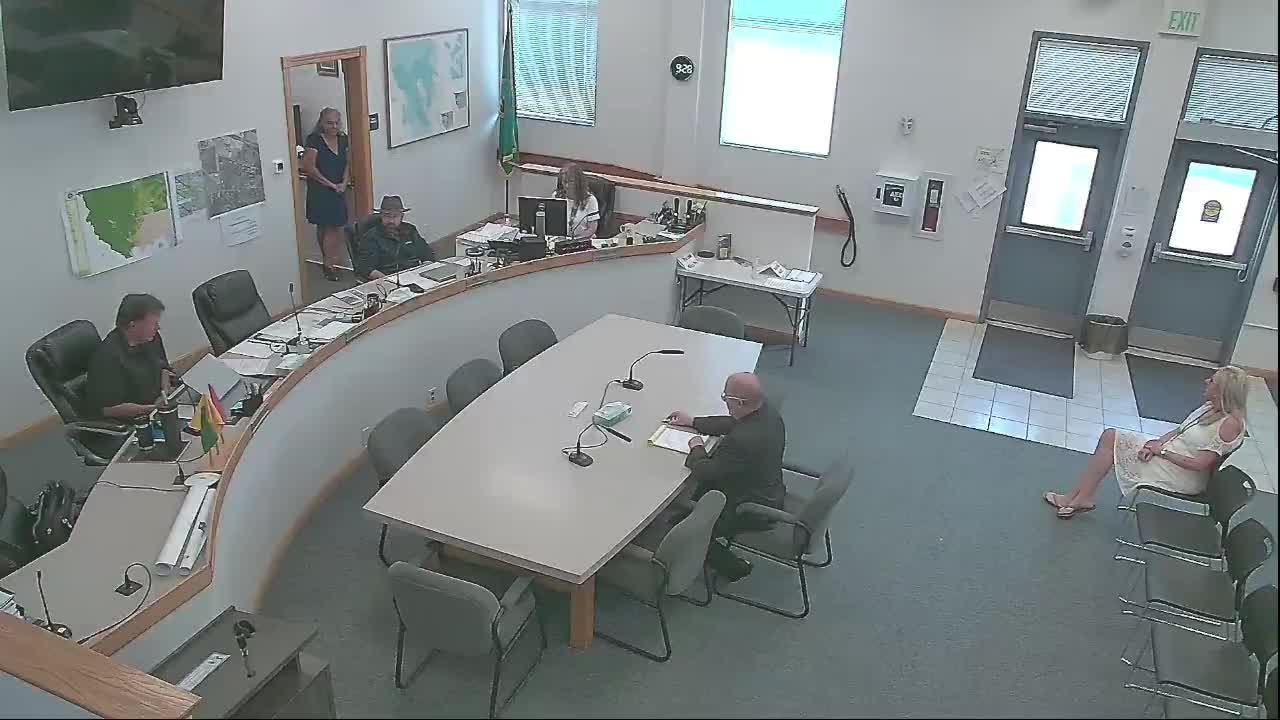
Stan Myers, interim director of the county Office of Public Defense, briefed the board on efforts to stabilize the office and to prepare for new state standards that he said will increase workload and costs for many counties.
Myers said his first priority has been to identify personnel issues and improve office professionalism and court preparedness. He reported meeting with Superior Court staff and said one attorney recently arrived prepared for court proceedings—an example he used to illustrate early progress in correcting long-standing operational problems. Myers said the office is triaging a significant backlog of cases and plans to schedule further coordination with district court and the prosecutor’s office to improve workflows.
On funding, Myers warned the board that future state standards could make current county staffing and funding models untenable. He said next year the county might be required only to be 10% compliant while full compliance would be phased in over time; nonetheless, counties will likely need to plan for increased attorney staffing and related budgets in coming years. Commissioners agreed to meet with the state Office of Public Defense (OPD) later this month to discuss rule changes that may allow the OPD to support local rule attorneys and to explore recruiting attorneys who might remain after passing the bar.
No immediate budget action was taken. Commissioners pledged to monitor the OPD meeting set for Oct. 1 and to consider supplemental funding requests if state rules materially affect county obligations.