Get Full Government Meeting Transcripts, Videos, & Alerts Forever!
Get email alerts on the Kratom Regulation topic
No spam. Unsubscribe anytime.
Committee hears competing testimony on HB 4969 to regulate kratom and ban concentrated synthetics
Summary
Rep. Cavett introduced HB 4969 to ban synthetic concentrated 7‑hydroxymitragynine (7‑OH), set a 21+ age limit and require testing/labeling; witnesses for regulation and against a ban debated pharmacology, coroner reports and federal FDA/HHS scheduling recommendations.
Representative Cavett introduced House Bill 4969 to the House Regulatory Reform Committee on July 29, proposing a Kratom Consumer Protection Act for Michigan that would ban concentrated synthetic 7‑hydroxymitragynine (7‑OH) marketed as kratom, set a minimum purchase age of 21, require locked displays and prohibit misleading health claims on packaging.
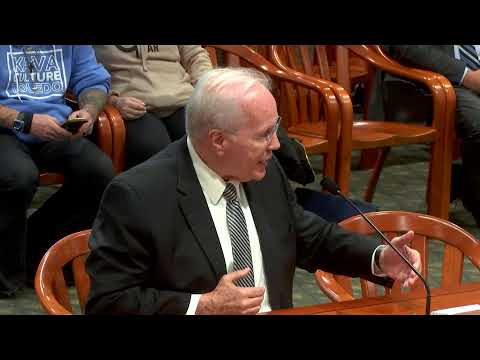
Cavett opened with a personal framing: he recounted the 2023 death of a young man in Sault Ste. Marie that, according to the coroner report cited in his testimony, was attributed to mitragynine intoxication involving a powerful compound sometimes described as "gas station heroin." Cavett said HB 4969 distinguishes the natural kratom leaf from synthetics and would ban the latter while placing stricter retail controls on natural kratom.
Witnesses presented sharply contrasting positions. John Cleveland of HEART, representing kratom and 7‑OH manufacturers and retailers, urged regulation rather than ban. Cleveland said 7‑OH is an alkaloid that occurs naturally in the plant and argued the risk picture is nuanced: he recommended dosage limits (25 mg per serving), childproof packaging, third‑party testing, truthful labeling and licensing for sellers. He warned that banning 7‑OH could drive consumers to illicit markets and remove a tool some use for pain management and withdrawal support.
Supporters of HB 4969 included Mac Haddow of the American Kratom Association and Walker Gellman of the Global Kratom Coalition, who urged adopting a consumer‑protection regulatory model and noted a recent federal recommendation by HHS and the FDA to schedule 7‑OH. Mac Haddow told the committee that 18 states have passed Kratom Consumer Protection Acts and said federal agencies had signaled concern about concentrated 7‑OH. Gellman urged testing, labeling and an accessible licensing regime and criticized MDARD’s recent, ad hoc removal of kratom from some store shelves.
Committee members probed the witnesses on pharmacology and mortality data. Some members cited reports they said list individual deaths linked to 7‑OH products; witnesses debated whether reported fatalities involved isolated 7‑OH exposure or polydrug use and whether the compound should be treated as a novel synthetic. No committee vote was taken; the testimony highlighted both public health and consumer‑access concerns that the legislature must weigh in drafting a final bill.