Get Full Government Meeting Transcripts, Videos, & Alerts Forever!
Get email alerts on the Vacant Buildings topic
No spam. Unsubscribe anytime.
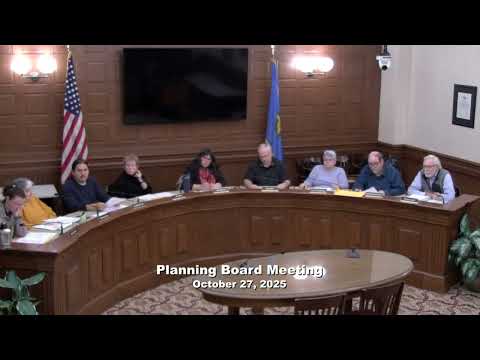
Board questions fees, enforcement and exemptions in proposed Lewiston vacant-building ordinance
Summary
Staff previewed a vacant-building ordinance modeled on Auburn’s approach. Board members asked detailed questions about fee frequency, exemptions for active redevelopment, how condemned and bank-owned properties will be treated, and the administrative workload of tracking vacant structures.
City staff presented a draft 'vacant building' ordinance and solicited the planning board’s feedback before bringing a finalized proposal to City Council. The draft, modeled on a recent Auburn ordinance and informed by staff conversations with Sanford and others, would require registration for certain long-vacant or abandoned buildings and assess recurring fees for non-exempt properties.
Key points and concerns: Board members pressed staff on multiple implementation and equity issues. Lucy Bisson asked whether fees would be charged every year or every six months; staff answered that, if not exempt, a building permit would be required and the draft anticipates a recurring permit fee—staff said a six-month cadence was under consideration. Members also questioned enforcement when owners are out-of-state banks or when a building is condemned; staff said condemnation does not remove permit obligations and noncompliance could lead to dangerous-building proceedings and potential city action.
Exemptions and edge cases prompted extended debate. Staff identified exceptions for active building permits and for properties actively listed for sale (100–180 day carve-outs were noted in the draft). Several members argued for clearer exceptions to protect owners who are actively developing a site or who face documented financial hardship: "There should be something that indicates my active engagement with trying to fill or sell your property," one member said. Others warned the draft’s building-based fee scheme could unfairly penalize mixed-use or partially occupied structures and requested staff investigate per-unit approaches used in other cities.
Operational questions: Members noted past promises to make rental- and property-registry data publicly accessible have not been delivered and expressed skepticism about the department’s capacity to proactively identify every vacant building. Staff said cross-referencing utility records, assessor data and postal-delivery lists, and targeted code-inspector work would be used to populate the registry.
Next steps: Staff will revise the draft to clarify whether and how commercial properties are covered, refine exemptions for active redevelopment, consider unit-based versus building-based fee structures, and add clearer implementation language on inspections and the level of code expected for non-condemned vacant buildings. The board asked staff to bring back refined language before a Council public hearing.