Get Full Government Meeting Transcripts, Videos, & Alerts Forever!
Get email alerts on the Boards And Commissions topic
No spam. Unsubscribe anytime.
Clerk’s review finds Humboldt County Human Rights Commission generally functional but in need of outreach and modest support
Summary
A staff review recommended maintaining the county Human Rights Commission while improving recruitment, meeting access and interpretation support; supervisors discussed membership rules, meeting locations and the possibility of modest supplemental funding.
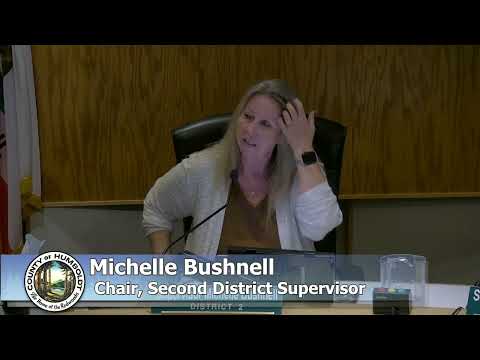
County staff reported to the Board of Supervisors Nov. 5 on a review of the Humboldt County Human Rights Commission. The Clerk of the Board described the commission’s history (established 1965, bylaws last revised 2003), its current composition (15 seats, three appointees per supervisorial district), and operational challenges including vacancies, meeting locations and interpretation needs.
The clerk’s office said outreach, application-posting changes and coordination with the CAO public information officer have reduced vacancies (from six vacancies to three in recent weeks) and that the commission maintains a modest account balance (~$2,900) funded by donations and event revenues. Staff noted the commission had greater virtual participation during the pandemic but now faces in‑person attendance barriers, including security costs when planning‑commission schedules conflict.
Supervisors praised the commission’s community work but flagged persistent problems: recruitment from remote districts; interpreter needs; and limited funds to pay for security or interpretation when planning‑commission meeting scheduling forces the commission to pay. Several supervisors suggested low‑cost outreach strategies and modest annual budgets (a speaker suggested $3,000–$5,000) to cover incidental costs. The board ultimately voted to maintain the commission and directed staff to continue outreach and report back as appropriate.
Public commenters praised the commission’s work and urged the board to consider modest financial support to help with outreach, interpretation and meeting access.
Next steps: staff will continue outreach, keep applications current for two years, and bring recommendations if the board wishes to consider funding or ordinance changes.