DSS briefs commissioners on staffing, foster-care caseloads and SNAP contingency amid federal uncertainty
Loading...
Summary
DSS reported a roughly 8% vacancy rate, 194 children in foster care (point-in-time), ongoing out-of-county placements, and concern that federal SNAP contingency funding may only cover half of benefits while a federal funding gap is resolved; commissioners asked about local supports and reimbursements for long-distance casework.
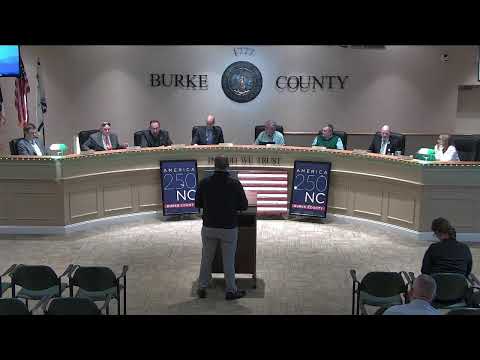
Burke County Department of Social Services staff updated the board Nov. 3 on staffing, foster care, SNAP caseloads and policy risks tied to federal funding decisions, telling commissioners that operational strain and out-of-county placements remain key challenges.
Corey Fisher Wellman said DSS had approximately 16 open positions (about an 8% vacancy rate) at the time of the report and has rolled out an aggressive hiring approach including sign-on bonuses aimed at reducing time-consuming preservice training for new hires. He said the department had made conditional offers and expected vacancy rates could fall toward 6% if hires are completed.
On foster care, Wellman said September saw 17 children enter and six exit foster care, and that a point-in-time count recorded about 194 children in foster care. Staff said kinship placements have increased and that out-of-county placements occur when family or appropriate therapeutic placements are not available locally; distances can be substantial—staff cited recent travel to Detroit and placements in Kentucky and New Hampshire as examples.
Chazlyn (DSS staff) gave an update on Christmas sponsorship efforts: DSS is coordinating sponsors for 190 children and 19 young adults (ages 18–21) and currently has more than 250 sponsors committed across employee and community partners; the department aims to secure two sponsors per child as a backup where possible.
Wellman and commissioners also discussed usage of federal and state reimbursement for travel and high-cost placements. Wellman said travel to distant placements is initially a county expense, though federal and state reimbursement avenues exist and vary by case.
On SNAP, staff reported roughly 11,000 recipients in the county (about 5,600 SNAP cases). Wellman said contingency funding under consideration at the federal level may provide about 50% of monthly SNAP allotments for November only, depending on how a pending federal funding situation is resolved; staff said the state and contractors are preparing logistical plans to implement contingency payments if authorized.
Commissioners asked what the county can do locally to assist residents if federal benefits are reduced; Wellman and others emphasized longer-term strategies—economic development, school investment, and partnerships—while also noting the county’s limited direct authority over federal program eligibility and benefit levels.
What’s next: DSS will provide requested counts for out-of-county placements, continue recruitment and operational changes to reduce travel burdens on social workers, and monitor federal guidance on SNAP contingency funding for implementation details.