Burke County reports expanded opioid-settlement work: naloxone distribution, recovery court results and new hires
Loading...
Summary
County opioid settlement coordinator reported distributing more than 1,000 naloxone kits, sustaining recovery court participants with high linkage and retention metrics, securing lower per‑kit costs and hiring a community navigator and co‑responder positions to begin in November.
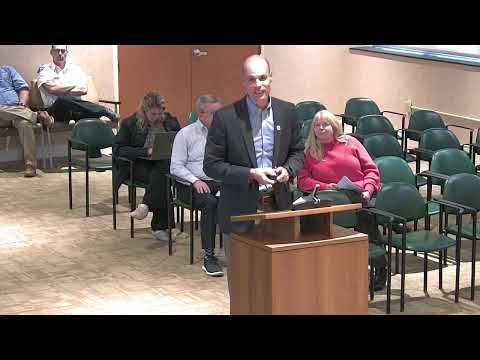
County staff delivered a progress report on opioid‑settlement funded programs and recovery efforts during Monday's meeting.
The county's opioid settlement coordinator (Katie) said staff established an independent settlement office, distributed more than 1,000 naloxone kits countywide and launched public‑education and peer‑support efforts. She reported several measured outcomes from a sustained Burke County Recovery Court: 15 participants served with nearly 1,600 staff contacts, 100% linked to treatment or harm‑reduction services, 80% adherence to treatment at six months, 73% housing and employment retention, and 60% engagement in harm‑reduction practices.
Staff also reported a procurement improvement that reduced naloxone kit costs from about $38 to $22 per kit, enabling broader distribution for the same budget. The county has hired a community navigator (start date Nov. 10) and has two co‑responder offers for Nov. 17 start dates. Three provider proposals (Burke Recovery, Christ Centered Recovery and Catawba Valley Health) will be reviewed by the opioid advisory committee on Nov. 18 for recommendations to the board.
The coordinator said much of the program work is grounded in lived experience input: in fiscal 2024–25, 315 unique individuals engaged in planning and training, and 34% of those reported lived experience in mental‑health or substance‑use treatment. The coordinator said priorities identified included treatment access and harm reduction, and staff plan to report further impact metrics in future updates.