Get Full Government Meeting Transcripts, Videos, & Alerts Forever!
Get email alerts on the Umc Compensation topic
No spam. Unsubscribe anytime.
Clark County Commission ratifies UMC CEO merit and bonus after heated public exchange over layoffs
Summary
The Clark County Board of Commissioners voted Oct. 7 to ratify a merit increase and performance bonus for the University Medical Center chief executive amid public concern about transparency and proposed staff reductions.
The Clark County Board of Commissioners voted Oct. 7 to ratify a merit increase and performance bonus for the University Medical Center (UMC) chief executive after a prolonged public debate over transparency and the hospital’s staffing plans.
Commissioner Rebecca Becker moved to take the item off the consent agenda, saying the matter "should be discussed in public" and pressing for more oversight after UMC staff warned of possible layoffs. Becker said she was troubled that, in her view, pay for the CEO had risen steeply over the past decade while frontline workers face cuts: "When you tell me that you're letting workers go to cover an enormous salary, that really upsets me." (Commissioner Becker)
County counsel and UMC representatives explained the legal and contractual background. County counsel said the UMC governing board was delegated authority over the CEO contract and had followed a review process; the contract signed Dec. 18, 2024, allows a merit increase (up to 10%) and a performance bonus (up to 30%) tied to committee-set goals. UMC’s chief human resources officer said the CEO’s current salary without the proposed merit was $840,153 and that pension (PERS) calculations were included in their market survey methodology. "Current salary without the merit ... he's currently at $840,153," the HR officer reported. (UMC HR)
UMC counsel and HR staff said the governing board’s HR committee evaluated performance against stated goals and recommended the merit and bonus according to contract terms. County legal staff said the board amended county code earlier in the year to require ratification of certain governing board decisions. Counsel explained that the compensation recommendations are based on regional and national survey data that compare total remuneration across public, private and not-for-profit hospitals.
Multiple union representatives and hospital staff urged caution. union leaders and UMC employees warned that announced staffing adjustments — described by some witnesses as up to 50–100 positions — could affect bedside care and asked the commission to consider the optics and equity of awarding executive compensation while staffing was under review.
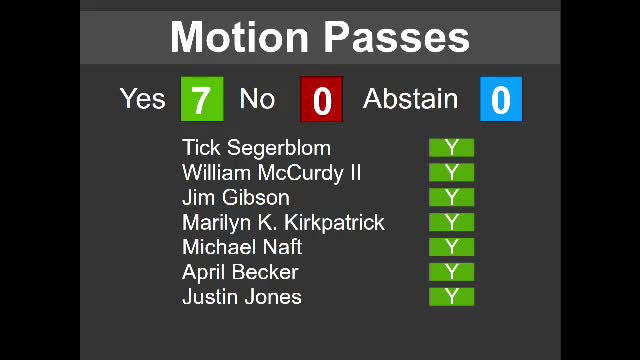
After public and commissioner remarks, the commission voted to ratify the governing board’s action. No detailed roll-call tally was read into the record; the clerk announced the motion was adopted.
Next steps: Commissioners directed staff to review options for enhanced oversight and to consider further conversation with the governing board about compensation practices and public accountability. No immediate rescission or reversal of the ratified compensation was recorded at the meeting.