
Students warn EMT/EMS course cut limits training pipeline in Canaan
Get AI-powered insights, summaries, and transcripts
Subscribe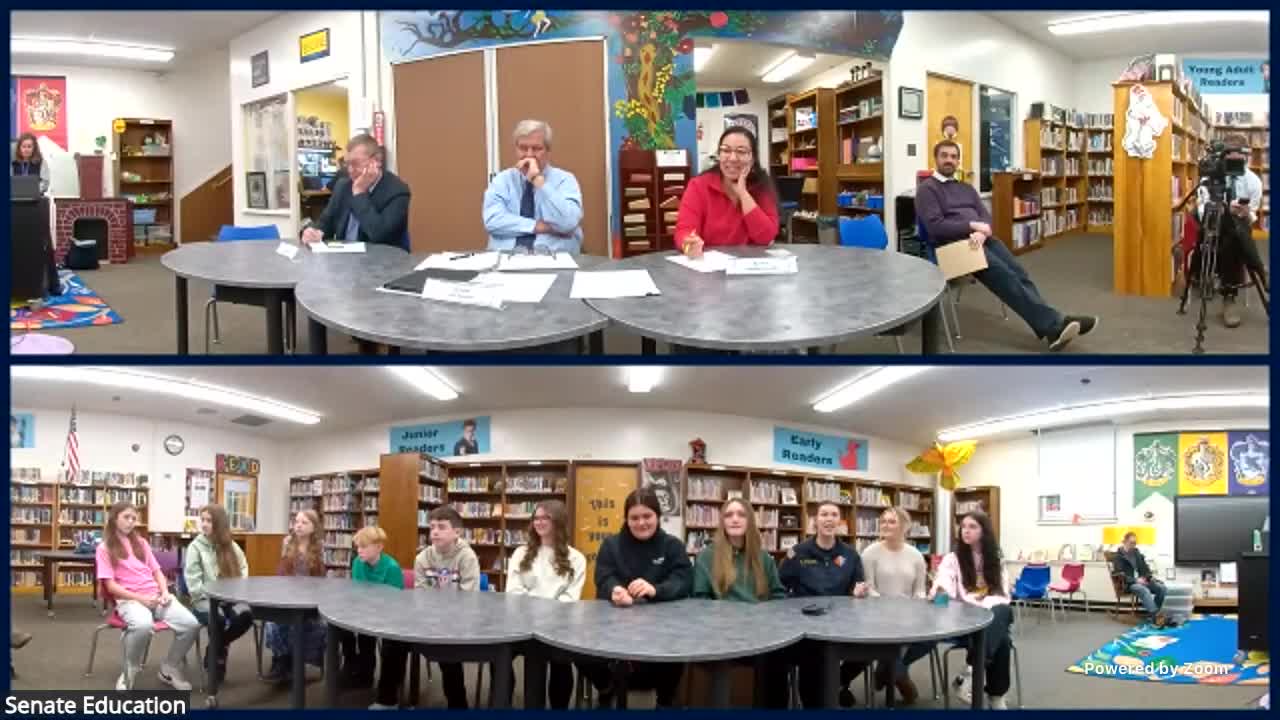
Summary
Students told the Senate Education Committee the EMT/EMS course at Canaan was reduced to one block after enrollment fell, leaving fewer clinical hours and raising concerns about students’ ability to earn credentials; students also said a nearby hospital stopped accepting student clinical placements.
CANAAN, Vt. — During a Nov. 12 visit to Canaan Elementary and High School, the Senate Education Committee heard students warn that the EMT/EMS program is at risk after enrollment dropped, a change students said has already reduced hands-on training time.
“We lost the numbers for it... So we got cut to one block,” senior Riley Phillips told the committee, describing how the program had been shortened this year because too few students signed up. Phillips said the reduction left the course with insufficient scheduled hours for some students to complete a two-year sequence before graduating; one junior currently in the class may not be able to finish a second year.
Students and senators discussed clinical-placement logistics. Phillips said the hospital in nearby Newport stopped taking students for clinical rotations, which previously provided patient-contact experience, and that alternatives include ambulance ride-alongs or traveling about 10 minutes to another hospital for patient contact. Students generally said they would not prefer long travel for regular training.
The EMT instructor, identified by students as Todd Nichols, was mentioned as willing to continue teaching, but students said low enrollment and placement options pose practical barriers to maintaining the program and ensuring students can qualify for national credentials.
Committee members asked whether students would travel to continue training; the students replied that local access matters because of long commutes, winter road conditions and limited local transportation. Senators said the visit aims to surface these operational constraints before the January session when policy and funding conversations resume.
No formal decision was made at the visit. The committee will meet with educators and staff after the tour and may follow up on training pathways and placement options in further work.