Get Full Government Meeting Transcripts, Videos, & Alerts Forever!
Get email alerts on the Special Charge Snow Removal topic
No spam. Unsubscribe anytime.
Kenosha finance panel hears resident appeal of $213.20 snow‑removal charge; transcript does not record clear final outcome
Summary
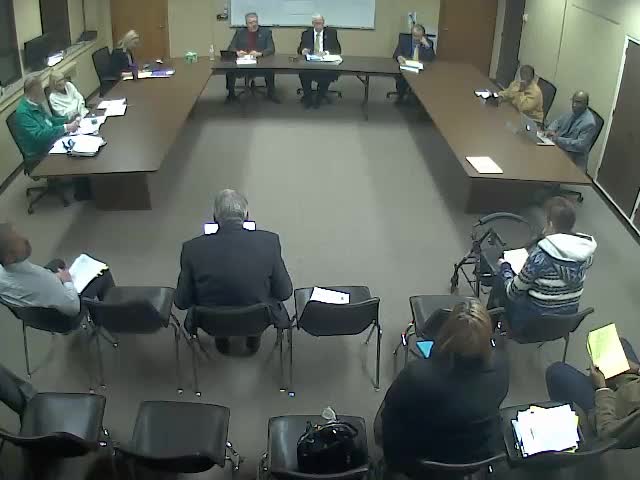
A resident of 170930 First Street told the Kenosha Finance Committee on Nov. 3 that recent health problems left her unable to clear her sidewalk and asked the committee to rescind a $213.20 special charge for city‑contracted snow removal.
A resident of 170930 First Street told the Kenosha Finance Committee on Nov. 3 that recent health problems left her unable to clear her sidewalk and asked the committee to rescind a $213.20 special charge for city‑contracted snow removal.
“I had 3 mild strokes and heart attack, and I was recovering,” the resident said, explaining she was ill through the winter and did her best to make the sidewalk safe. She told the committee she believed she may have been double‑charged and asked for relief.
City staff responded that the department follows an inspection and tagging process: after a complaint staff inspect, place a 24‑hour tag, and if the sidewalk remains uncleared a third‑party contractor clears it and the fee plus an administrative charge becomes a special charge on the property tax roll. A staff member described that the original contractor charge was $103.04 and that a $100 administrative fee is added; the committee was also told there is a recurring interest component applied if the charge is unpaid. “...there’s a dollar and 27¢ interest charge each month,” one alderperson said during the discussion.
A motion to rescind the full $213.20 charge was made and seconded. Several members spoke both in favor of rescission—citing the resident’s medical hardship—and against full rescission—pointing to the fact that a contractor performed the work and that opening a broad exception could create administrative problems in future cases. One alderwoman said she would support reducing the charge rather than rescinding it in full.
The transcript records individual roll‑call votes after the motion (several members recorded “Aye,” one recorded “Nay,” and the chair made a recorded comment), but the meeting transcript does not unambiguously state the final procedural declaration of the motion (for example, an explicit “motion carries” statement or a clear unanimous tally). The committee audio record or official minutes should be consulted for the certified final outcome and any follow‑up steps.
The item highlighted the tension between enforcing sidewalk ordinances and providing relief for residents with medical or personal hardships; city staff said the snow‑removal process is driven by complaints and a standardized tag/contractor workflow.