Get Full Government Meeting Transcripts, Videos, & Alerts Forever!
Get email alerts on the Employee Benefits topic
No spam. Unsubscribe anytime.
Green Bay committee backs 2026 benefits package with 1% active premium rise, 10% for retirees
Summary
The Green Bay Personnel Committee voted to recommend a package of 2026 employee benefits that keeps the city self‑insured, raises active premiums 1%, raises retiree premiums 10%, reduces vision rates and adds voluntary short‑term disability, identity‑theft and pet insurance; the recommendation goes to the full Common Council next week.
The Green Bay Personnel Committee on Nov. 4 voted to recommend a 2026 employee benefits package that would keep the city self‑insured, raise active employee premiums by 1% and raise retiree premiums by 10%. Beck, a consultant with M3, told the committee the funding forecast projects just under $10.4 million in medical claims for the coming year and that plan‑design changes would hold the active‑plan increase to 1%.
The package, presented by benefits staff and reviewed by HR, finance and the benefits advisory committee, also proposes a 3% increase to dental premiums, a 9% decrease in vision premiums with a four‑year rate lock and new voluntary products including short‑term disability, identity‑theft protection and pet insurance. Benefits staff summarized that short‑term disability would cover 60% of wages (up to $1,000 per week) for about 90 days before long‑term disability would begin, and that short‑term disability enrollment enables a one‑time open enrollment for higher voluntary life amounts without medical evidence.
Committee members pressed staff on pharmacy co‑pay changes and member feedback during open enrollment. Beck said open‑enrollment meetings produced “very little feedback regarding the pharmacy changes,” and that the city is promoting programs such as CanaRx to reduce prescription spend. M3 estimated the shared‑savings fee reduction will save roughly $40,000 per quarter (about $160,000 annually), which staff said helped offset cost pressures.
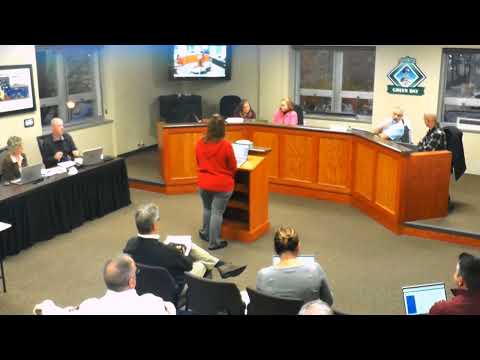
During public comment, resident Mark Bergland, a PPO enrollee, told the committee that co‑pay discounts tied to certain urgent‑care locations had changed and that a nearby site listed in plan materials appeared closed when he visited it. He said that after a recent emergency visit his household faced a $400 bill, and he expressed concern that PPO members are receiving fewer benefits as costs rise. Benefits staff responded that Prevea made the decision to end its prior employer‑sponsored urgent‑care program and replace it with two employer sites (Fox Commons in Appleton and a Cormier Road site in Ashwaubenon) scheduled to open Jan. 1; staff also noted Bellin urgent‑care locations remain available at no cost for eligible members.
On retiree premiums, staff said retiree utilization is substantially higher than active employees’ and that a previous 10‑year phasing plan that moved retirees to pay more of their actual costs ended several years ago; the committee discussed the small number of retirees (fewer than 10) on the city plan and supported the 10% figure as a policy choice short of actuarial recommendation.
A committee member moved to recommend the benefits package as presented; a second was recorded and the motion passed by voice vote. The committee chair reminded the public the Personnel Committee’s approval is a recommendation and the final vote will be taken by the full Common Council next week.