St. Helens SD reports modest gains on state tests; district warns benchmarks and state assessments aren't fully aligned
Summary
District staff presented 2023-24 OSAS results and fall benchmark (easyCBM) data showing modest year-over-year gains in ELA, math and science and subgroup improvements, but also noted that fall benchmark results are not yet reliably predictive of state assessments and the district will pilot focused interim assessments (FIIBs).
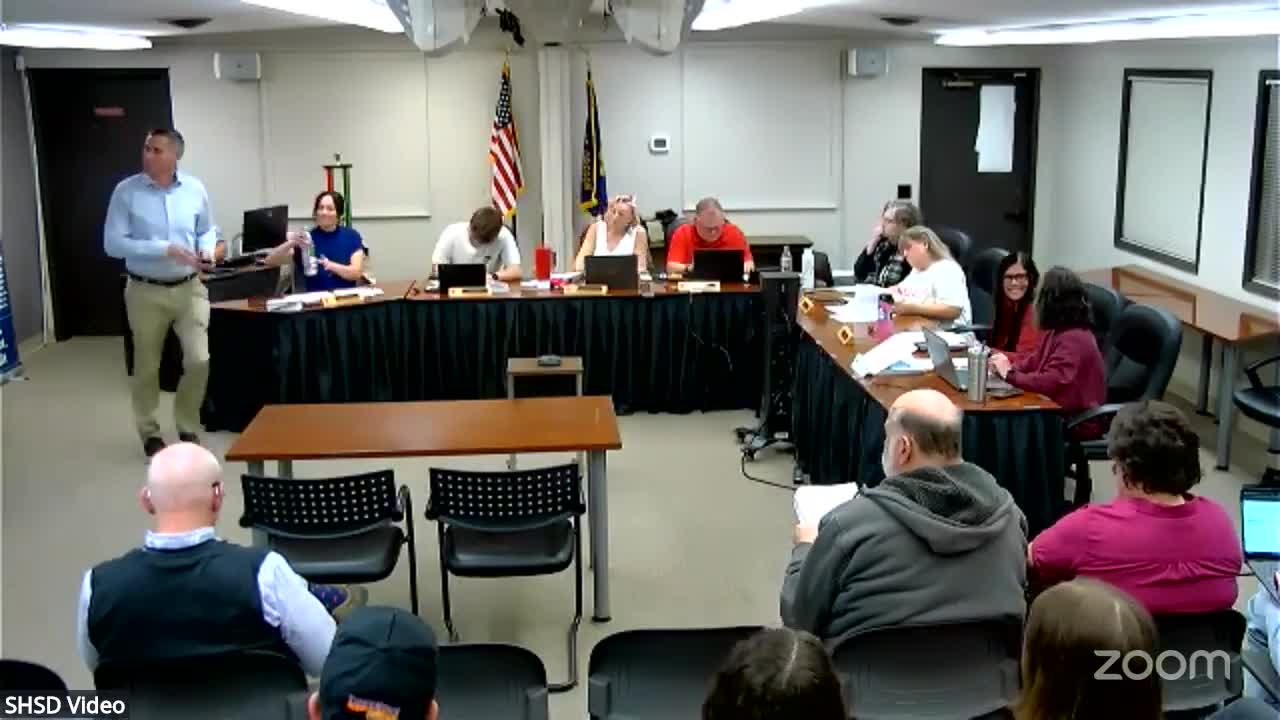
St. Helens School District staff presented the district's 2023-24 state assessment results and 2025-26 fall benchmark screening to the board on Nov. 12, highlighting modest gains and continuing gaps.
According to the presentation, statewide participation rose (especially in high school) though remains below 95%, and Oregon saw its first year of score increases across ELA, math and science. In St. Helens, overall ELA proficiency rose from about 27% to 30% meeting standard, a roughly 3 percentage-point gain. The presenter noted growth in some grades and subgroups (including students of color and students experiencing poverty at certain middle grades), while other grade-level cohorts declined or remained flat.
District staff pointed to an uneven cohort pattern: some grades show improvement when tracked as the same students across years, while other cohorts decline as students enter middle school. For special education students the district reported modest increases (for example, ELA moved from roughly 10-12% in some cohorts).
The board heard that fall universal-screen benchmark (easyCBM) results are substantially higher (closer to 50% in the fall) than SBAC/OSAS percentages and therefore are not currently predictive of final state assessment outcomes in St. Helens. To address alignment and test familiarity, the district said it will implement focused interim assessments called FIIBs (focused interim items/assessments) that mirror SBAC item types to give teachers immediate feedback and to inform Wednesday data meetings and intervention planning.
Superintendent and staff described school-level coaching and teacher-grade coalitions that will analyze assessment tasks, share instructional strategies and plan interventions to raise proficiency. The presenter emphasized that assessment data are tools for planning instruction, not judgments on school quality.